Shift in Power? Populist Surge May Reshape EU in Upcoming Elections
May 9, 2024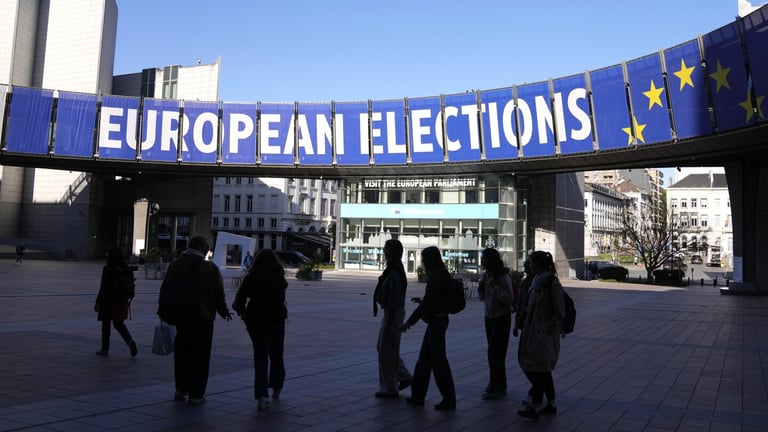

The European Parliament elections set for June 6-9 may see a rise in extreme right and populist parties, potentially influencing EU climate policies.
The RN is currently leading in the polls, indicating the election may serve as a referendum on French President Macron's leadership.
Populist and nationalist leaders, such as Viktor Orbán and Georgia Meloni, are challenging traditional political forces within the EU.
The absence of transnational lists and a unified European voting system adds complexity to the election process.
While the rise of the far-right could change French representation in the Parliament, it does not directly affect the EU Commission or Council.
An increase in populist and nationalist parties in the Parliament could complicate the formation of political alliances, potentially leading to a less effective legislative process.
Ursula von der Leyen supports EU expansion to include Ukraine, Moldova, and Georgia, but there is hesitation about the broader implications of enlargement.
The diverse range of candidates from these parties may significantly reshape EU governance.
France's aim to strengthen Europe's sovereignty and defense is part of the broader EU agenda, influenced by the strength of political groups within the Parliament.
Despite the potential rise of other groups, the right and left are expected to maintain their dominance after the European elections.
Germany's push for decisions by qualified majority underscores the ongoing need for coalition-building in EU politics.
Summary based on 7 sources