EU Approves UV-Treated Mealworm Powder for Foods, Faces Consumer Skepticism and Allergy Warnings
February 9, 2025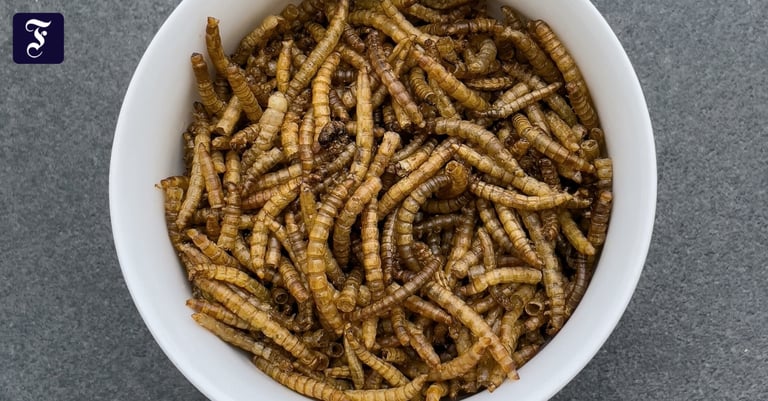

The European Union has approved the use of UV-treated mealworm powder in food products, marking a significant step in the incorporation of insect-based ingredients into the European diet.
As of February 9, 2025, consumer labels must explicitly state the presence of insects, using the term 'UV-treated larvae powder,' and include warnings for individuals allergic to house dust mites or crustaceans.
The new regulation specifically allows for mealworms that have undergone UV treatment, which enhances their Vitamin D content, a method previously applied to other foods like mushrooms and milk.
Sabine Holzäpfel from the Consumer Center of Baden-Württemberg highlights that insect meal is a rich source of protein and contains important nutrients like omega-3 fatty acids and B vitamins.
Despite the nutritional benefits, consumer acceptance remains a challenge, with many expressing concerns about hygiene and a general aversion to insects as food.
Prior to the approval, the European Food Safety Authority (EFSA) conducted a health assessment and confirmed the safety of mealworm powder for consumption.
Currently, Nutri’Earth is the only French company authorized to market this insect powder, holding exclusive rights for five years, which provides them a competitive edge in the market.
Mealworm powder is not just a cheap filler; it is nutrient-dense, containing essential fatty acids, vitamins, and minerals, and is intended to enrich food products with sustainable nutrients.
Critics of the regulation argue that there is a lack of clear information regarding insect ingredients in food, which can lead to consumer confusion and distrust.
Public sentiment towards insect consumption is slowly changing; a 2023 survey indicated that about 20% of Germans are open to eating insects, an increase from 10% in 2016.
There are potential allergy risks associated with consuming insect-based foods, which consumers need to be aware of as they navigate this new market.
The regulation has faced criticism from some EU politicians, who have labeled insect-based foods as 'trash food,' reflecting ongoing skepticism about their place in the diet.
Summary based on 9 sources