FlixTrain Invests €2.4 Billion in High-Speed Trains to Challenge Deutsche Bahn's Dominance
May 27, 2025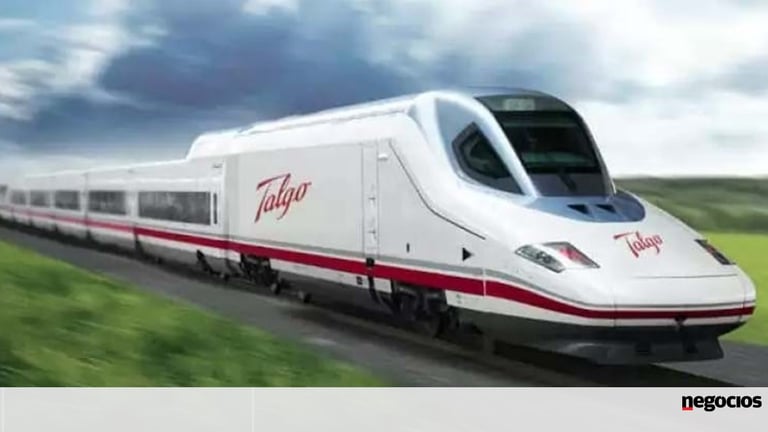

Despite the positive outlook, Flix's expansion is considered risky due to increasing congestion on the rail network, which can lead to delays and cancellations.
The purchase will significantly enlarge Flix's fleet and enhance its presence in long-distance rail travel, aligning with their strategy to position themselves as a modern alternative to traditional rail services.
The new trains will be based on the same model as Deutsche Bahn's upcoming ICE L, featuring Siemens locomotives, and are expected to begin deliveries in summer 2025.
FlixTrain has announced a significant investment of 2.4 billion euros to acquire 65 high-speed trains from Talgo and locomotives from Siemens, aiming to enhance competition against Deutsche Bahn.
The success of this ambitious initiative will depend on customer acceptance, operational efficiency, and support from the government.
Flix CEO André Schwämmlein envisions this investment as part of a long-term strategy to significantly expand train services and enhance the overall market size in Germany and Europe.
Dirk Flege, managing director of Allianz pro Schiene, views this announcement as a positive signal for rail passengers, particularly in cross-border travel, which holds significant potential.
The German government has expressed notable support for Flix's plans, indicating a shift towards fostering competition in the rail sector.
This investment reflects a broader trend in the German transportation market, where new entrants are challenging the dominance of established players like Deutsche Bahn.
New Transport Minister Patrick Schnieder has acknowledged Flix's investment as a strong signal for the rail market, although he did not commit to further market liberalization.
This acquisition aims to meet the growing demand for fast and affordable train travel in Germany, where the market is projected to expand by 45% by 2030 compared to 2021.
While 30 of the ordered trains are already completed, the delivery timeline for the remaining units remains unspecified, as train orders typically take several years to fulfill.
Summary based on 13 sources