Controversial Dutch-German Gas Deal Sparks Environmental Backlash Amidst Climate Concerns
July 2, 2025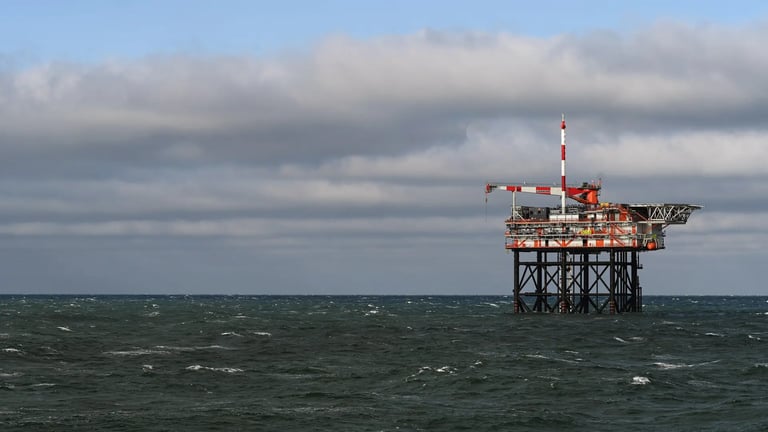

The Dutch energy company One-Dyas is set to install a gas extraction platform on Dutch territory, with drilling extending into German waters, following a recent agreement between the German and Dutch governments.
Despite significant controversy and criticism from environmentalists, the German cabinet has approved this agreement, which allows One-Dyas to extract gas off the coast of Borkum, pending further legislative and court approvals.
This decision marks a notable shift from previous government positions, as the former Economy Minister Robert Habeck had postponed the agreement while awaiting court rulings, citing concerns over energy security.
Before the treaty can take effect, it must receive ratification from the Bundestag, Germany's federal parliament.
Environmental groups have reacted strongly, filing lawsuits against the gas drilling permit, although the Lower Saxony State Office for Mining, Energy and Geology conducted an environmental impact assessment and raised no objections.
Activists from the climate initiative Fridays for Future have condemned the government's decision, emphasizing the contradiction between this move and the urgent need for climate protection amid extreme heat in Germany.
While the Lower Saxony mining authority approved the environmental assessments, further approvals from the Bundestag and Bundesrat, as well as court decisions, are still required.
The current government argues that the gas extraction does not conflict with climate goals, citing commitments from companies to extract gas only as long as there is demand.
Federal Minister for Economic Affairs Katherina Reiche stated that this cooperation enhances energy security for Germany and its neighbors, thereby benefiting the European gas market.
Critics argue that the project contradicts Germany's climate goals and serves the fossil fuel industry, especially as the government has recently downgraded its gas emergency plan.
Environmental organizations, including the German Environmental Aid, are concerned about potential environmental damage to the UNESCO World Heritage site of the Wadden Sea and have filed lawsuits against the project.
The cabinet's decision paves the way for a treaty that allows both Germany and the Netherlands to jointly exploit a cross-border gas reservoir, aiming to enhance energy security and stabilize the gas market.
Summary based on 4 sources