COP30 Debates Luxury Flight Tax to Fund Climate Action; Germany's Role Under Scrutiny
November 9, 2025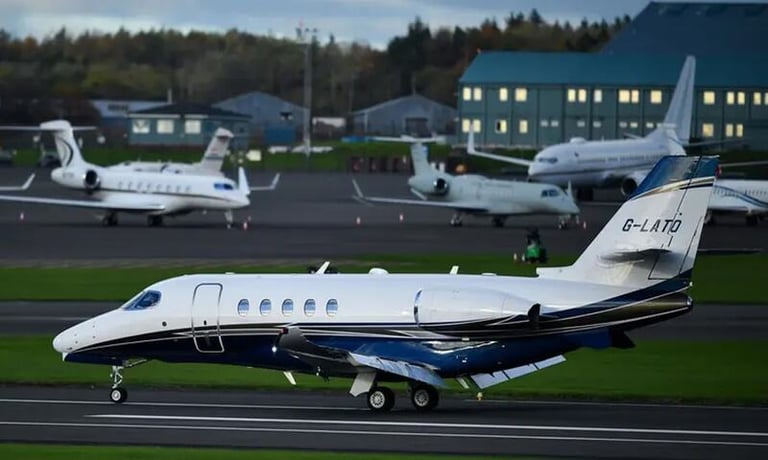


At COP30 in Belém, roughly a dozen countries are pushing for a luxury flight tax to fund climate protection and development aid, with Germany yet to join.
The COP30 discussions occur amid broader international dynamics, including signals from the U.S. about re-entering the Paris Agreement, which shape the debate.
Industry argues luxury travel still attracts high-spending customers, while supporters insist well-designed taxes can yield predictable climate financing.
Led by France, Spain, and Kenya, the coalition seeks a new tax on premium-class flights and private jets to curb aviation emissions and mobilize funding.
Supporters aim to increase taxes on high-end travel, using COP30 as the platform to advocate for innovative and fair financing for climate action.
France and Spain frame the proposal as fair, arguing those who pollute most should pay more, while highlighting broader regional and international backing beyond the initial trio.
Proponents cite the need for innovative, fair financing and reference benchmarks like the Maldives’ departure taxes to justify premium travel levies.
France, Kenya, and Barbados lead the effort, with supporters including various island nations, African countries, Colombia, Denmark, Spain, the World Bank, and the UN.
Environmental and development groups urge Germany to take a more active role in pursuing polluter-pays funding sources at COP30.
Advocates press Germany to join and help develop new funding mechanisms aligned with the polluter-pays principle to broaden international support.
Climate experts and German development organizations stress the need for a stronger German contribution to ensure the funding mechanism meets fairness and climate costs for poorer nations.
The proposal faces industry pushback from airlines, including moves like Air France updating its premium cabins, signaling resistance to luxury travel taxes.
Summary based on 4 sources