BPCE Acquires Novo Banco for €6.4 Billion, Reshapes Portuguese Banking Landscape
December 5, 2025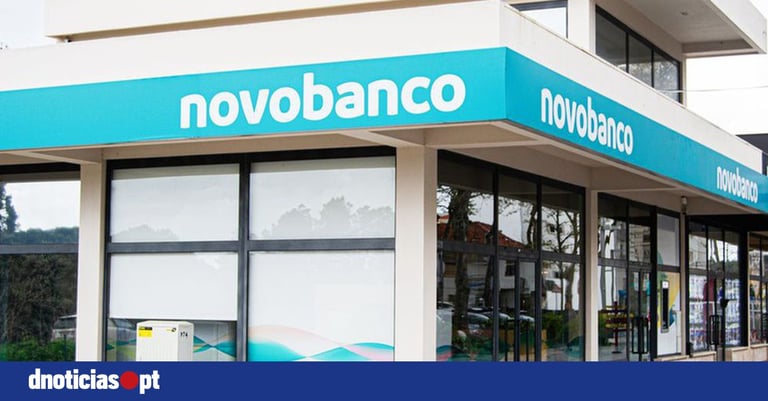

The sale is framed as an important step toward a cross-border merger within the European Union.
Final completion still requires authorization from the European Central Bank to transfer ownership away from Lone Star, the Resolution Fund, and the Portuguese Treasury.
BPCE’s arrangements with Lone Star were signed in August, and agreements with the state and the Resolution Fund followed in October.
Approval came ahead of the December 17 decision deadline, following BPCE’s notification to Brussels.
Coverage notes that final approval depends on EU regulators, with additional context available in related reports.
The deal is valued at about €6.4 billion for 100% of Novo Banco, described as Portugal’s largest operation in recent years, with initial announcements in mid-June.
The European Commission approved BPCE’s acquisition of Novo Banco, making BPCE the sole shareholder of Portugal’s fourth-largest bank.
BPCE will take full ownership of Novo Banco, reshaping the Portuguese banking landscape.
The EU clearance came as a key step announced earlier in the summer, with approval under the EU Merger Regulation and no major competition concerns due to the limited market position.
The transaction was notified under the EU Merger Regulation and concerns primarily the Portuguese banking and financial sectors.
Portugal’s Finance Minister said the sale preserves financial stability and marks a significant recovery step after Novo Banco’s resolution.
Post-sale ownership would be split roughly 75% to Lone Star, 13.54% to the Resolution Fund, and 11.46% to the Treasury, with public coffers receiving about €1.68 billion.
The mid-2025 formalization valued Novo Banco at about €6.4 billion for 100% of its capital.
The Commission concluded there are no competition concerns and processed the deal under a simplified merger procedure.
BPCE currently employs around 7,000 people in Portugal, with Natixis operations in Porto and a growing Lisbon presence, signaling a long-term commitment to making Portugal a second European market for the group.
Summary based on 5 sources