EU and Mercosur Seal Historic Trade Pact, Paving Way for $4 Billion Export Boost
January 17, 2026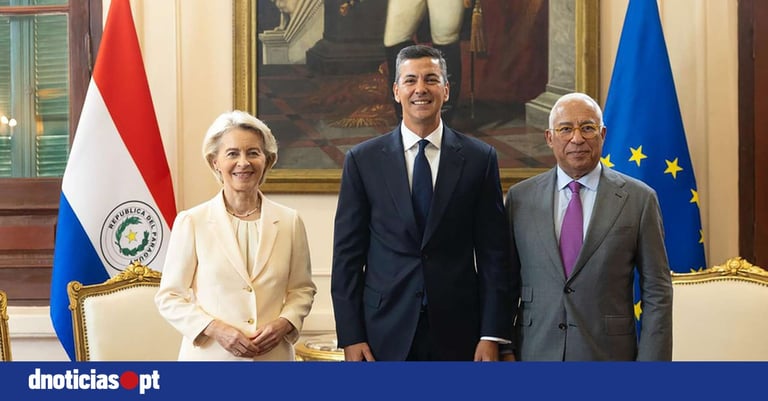

The EMPA (Trade Partnership) and the interim Trade Agreement (iTA) were signed in Asunción by EU leaders and Mercosur heads of state, with Panama and Bolivia participating as associated states.
The accord aims to eliminate tariffs on EU exports, including agri-food, autos, machinery, and pharmaceuticals, potentially saving EU exporters about €4 billion annually.
In parallel, the pact is expected to remove tariff barriers on a broad range of exports, reinforcing opportunities for European agri-foods, automobiles, machinery, and pharmaceuticals.
The agreement includes ambitious, legally binding climate and environmental commitments aligned with the Paris Agreement.
European leaders emphasize that the deal carries strong geopolitical signals amid global uncertainty, while noting that some criticisms stem from misperceptions of the pact.
Commission leaders stressed that only a few agricultural sectors—beef, sugar, poultry, and certain dairy products—will face stronger competition, with quotas set as low as 1.4%–1.6% of EU production.
EU projections suggest the agreement could boost total exports to Mercosur by about 39% annually, with agro-food exports rising up to 50%.
EU officials reassure farmers about unprecedented Mercosur access for European agriculture while maintaining safeguards for sensitive sectors.
The EMPA marks the end of 26 years of negotiations and aims to create one of the world’s largest free-trade areas, spanning roughly 720 million people and a global economic weight around €19–€22 trillion.
Post-signing, ratification steps will follow: EU member states must approve EMPA, and the iTA requires consent from the European Parliament and a Council decision.
The signing ceremony took place in Asunción with leaders from Paraguay, Argentina, Uruguay, and associated partners Panama and Bolivia; Brazil’s president did not attend.
Summary based on 3 sources