EU Aims for Energy Independence: Boosting Renewables to Cut Geopolitical Risks and Russian Gas Dependence by 2027
January 22, 2026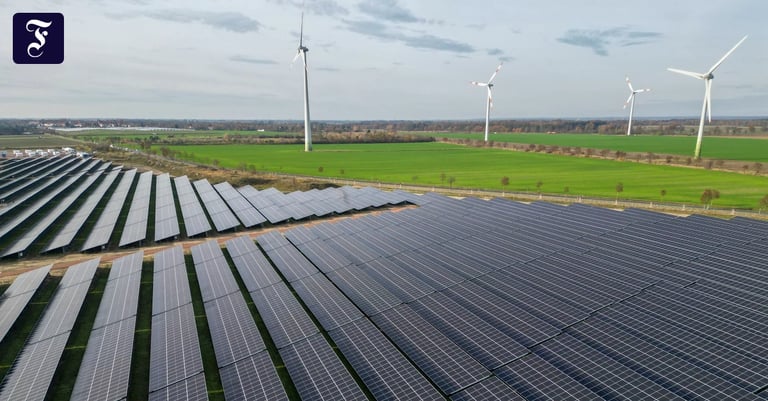

Ember warns that energy and commodity leverage by fossil-fuel exporters can be mitigated by investing in domestic renewables, which strengthens security and bargaining power.
Reducing reliance on fossil fuels and diversifying energy supply are central to mitigating geopolitical risk and achieving long-term energy independence.
The report highlights dependency on energy suppliers as a geopolitical and price risk and urges locally produced renewables to counter this vulnerability.
Evening demand peaks are increasingly met by batteries, with Italy potentially following California’s battery-heavy peak management approach.
Fossil gas share rose by 8% due to hydropower shortfalls but remains below 2019 levels, while coal fell to a historic low below 10% of EU power.
Analysts say the transition is driven by rapid solar growth and the need to modernize grids, storage, and flexibility to handle variable renewables.
Policy measures to raise wind and solar share focus on expanding battery storage, strengthening grids, and expanding demand-side management to improve reliability and stabilize prices.
Strategies to boost wind and solar include expanding storage, reinforcing grids, and broadening demand response for energy price stability and security.
The EU aims to end dependence on Russian natural gas by 2027, including stopping pipeline imports by late 2027 as part of a broader sanctions and energy-security plan.
EU set a goal to end reliance on Russian gas by 2027, with explicit timing to halt pipeline gas imports by November 1, 2027.
Policy implications question new gas plant investments to avoid stranded assets as grid and storage capacity expand.
Experts note that generation growth outpaces grid integration and storage deployment, which remain key challenges for full renewable potential.
Summary based on 5 sources
Get a daily email with more World News stories
Sources
The Guardian • Jan 21, 2026
Wind and solar overtook fossil fuels for EU power generation in 2025, report finds
Electrek • Jan 21, 2026
Wind and solar overtook fossil fuels across Europe in 2025