Germany's Fuel Price Plan: Daily Cap, Antitrust Rules, and Windfall Tax Debate Amidst Iran Conflict
March 26, 2026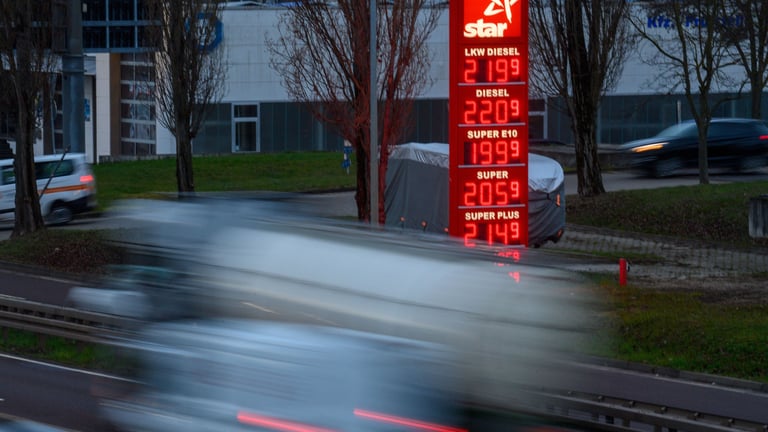


The German Bundestag approved a petrol price package aimed at curbing rising fuel costs driven by the Iran conflict, including a rule that gas stations can raise prices only once per day at noon, while allowing reductions at any time, and giving the Bundeskartellamt greater power to require price-hike explanations with potential fines for violations.
Recent price movements show diesel up by about 42 euro cents and E10 gasoline up by about 27 euro cents since late February, with the national averages around 2.167 euros per liter for diesel and 2.044 euros per liter for E10.
The package tightens antitrust rules to demand greater price-formation transparency from major oil companies and shifts the burden of proof during sharp price increases onto the companies involved.
There is growing criticism that the measures may not sufficiently relieve consumers despite the anticipated changes.
There is political openness to a windfall tax, with the Greens and some SPD members backing it, while a portion of the CDU/Union also suggests exploring further measures.
A CDU lawmaker questioned the term Übergewinn, arguing the focus should be on costs and margins rather than profits, reflecting skepticism toward that concept among conservatives.
The article emphasizes directing revenue from measures toward meaningful consumer relief and long-term investments in affordable, sustainable mobility, notably expanding electric mobility and public transit.
Chancellor and coalition officials critique the windfall tax idea, with skepticism about defining windfall and cautions that not all price movements can be offset by fiscal measures.
Analyses indicate that vulnerable households, especially low-income families, will bear the brunt of inflation, and relief may be limited in the near term.
Proponents argue for a windfall tax on crisis profits to fund targeted relief for car users.
Industry groups warn that tighter competition rules could entail far-reaching and risky interventions in market regulation.
A central lament notes the absence of a truly liberal, rights-respecting voice defending market economics and presumption of innocence in the Bundestag.
Summary based on 35 sources
Get a daily email with more EU News stories
Sources

Investing.com • Mar 26, 2026
German coalition eyes more relief as fuel prices surge
blue News • Mar 26, 2026
Only one petrol price increase allowed per day in Germany