EU Defence Ministers Tackle Ukraine Aid, Middle East Security, and Enhanced Defence Cooperation
May 12, 2026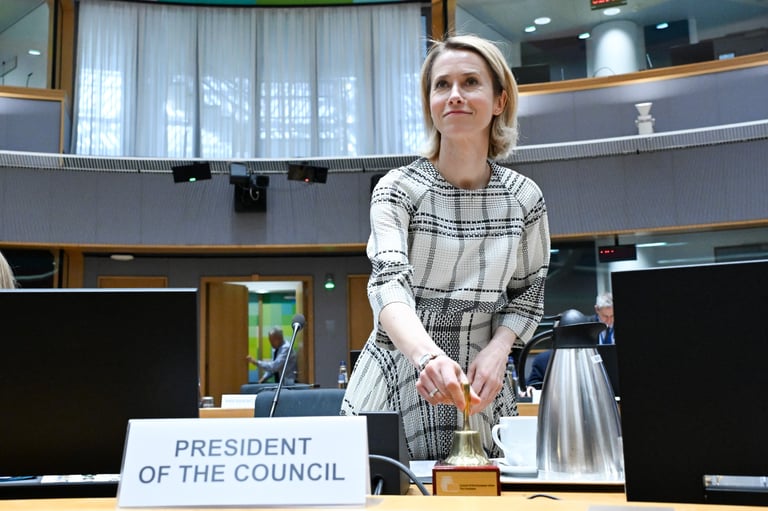

In Brussels, EU defence ministers will tackle Ukraine aid, industrial capacity, and Middle East security, including consideration of a proposed €90 billion loan to Ukraine for urgent needs.
EU foreign policy chief stresses speeding up European defence production and interoperability, moving from fragmented projects to coordinated joint procurement and innovation.
Ministers will discuss accelerating defense production, reducing fragmentation, and advancing interoperable, innovative joint projects across member states.
The Aspides naval operation in the Strait of Hormuz is on the agenda, with talks about extending the mandate, adding ships, and adjusting plans, while diplomacy remains central.
A refreshed EU threat analysis informs defence-readiness planning, shifting focus from policy to operational preparation and prioritising capabilities.
Discussions will cover Lebanon and broader Middle East security, including possible new European support for the Lebanese armed forces after UNIFIL ends, and adjustments to Aspides.
European plans may include a new mission to support the Lebanese armed forces post-UNIFIL, alongside ongoing maritime security operations.
The mutual defence clause Article 42.7 is being discussed conceptually, with exercises to clarify responsibilities in scenarios including hybrid or non-NATO contexts.
The gathering signals a multi-theatre approach to defence planning, turning readiness into actionable capability while navigating the Ukraine war and regional tensions.
Operational plans for Aspides exist and could be adjusted subject to political agreement and funding.
EU defence-readiness efforts are being aligned with NATO, showing growing overlap and cooperation beyond EU instruments.
Policy aims to expand production, coordinate procurement, reduce project fragmentation, and strengthen cyber resilience and critical infrastructure protection.
Summary based on 4 sources
Get a daily email with more EU News stories
Sources

https://eutoday.net • May 12, 2026
EU Defence Ministers Meet in Brussels as Ukraine Support, Middle East Risks and Readiness Dominate Agenda
Yeni Şafak English Web • May 12, 2026
EU's Kallas urges faster European defense production, joint procurement
TRT World • May 12, 2026
EU foreign policy chief calls for faster arms production as ministers meet in Brussels