Germany Boosts Defense Budget by 32.6%, Aims for Greater European Autonomy Amid Russian Threats
July 7, 2026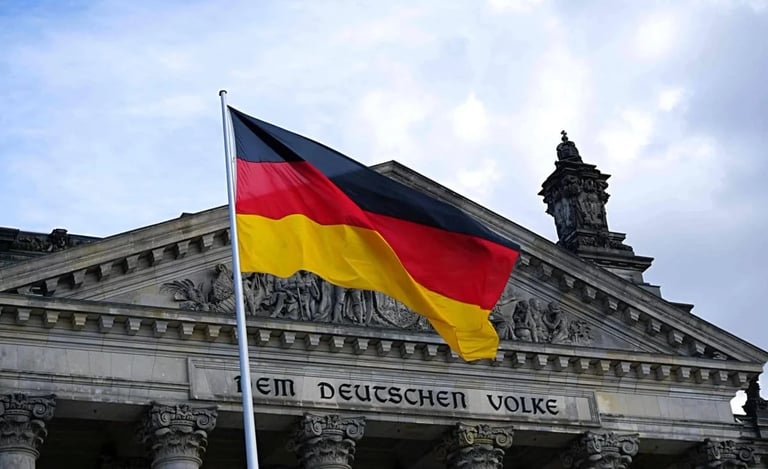

Environmental groups criticize diverting 2.7 billion euros from the Climate and Transformation Fund to cover budget gaps, arguing it undermines climate action.
Klingbeil warned that decades of defense underinvestment cannot be offset without new debt, likening the effort to reaching the Moon without a rocket.
Analysts and industry groups caution that repeatedly large budgets could strain Germany’s fiscal framework, though supporters argue security needs outweigh caution and could spur wider European defense investment.
To fund defense, the plan includes measures such as higher taxes on alcohol and tobacco, a plastic levy, and reductions in social security and pension subsidies.
The strategy aims to counter recession pressures and high energy costs, asserting Germany’s position as Europe’s largest economy with a more assertive fiscal stance if the plan is enacted.
Germany plans a 32.6% rise in defense spending for 2027, totaling 109.7 billion euros, as part of the approved federal budget.
The defense push includes a broader fiscal trajectory that could lift spending to 153.9 billion euros in 2028, 162.9 billion in 2029, and 183.7 billion in 2030, with the 2030 target tied to meeting NATO's 3.5% of GDP defense pledge.
The plan encompasses funding through more market borrowing, aiming to raise over 200 billion euros in 2025 and projecting total borrowing of 838 billion euros from 2027 to 2030, signaling a marked departure from decades of fiscal restraint.
The shift responds to security concerns about Russia and Europe’s evolving defense commitments, including a potentially reduced US military presence in Europe.
Officials say the United States may not reliably guarantee European security, promptingMoves toward greater European defense autonomy in light of Russia's aggression.
Politically, the plan has sparked controversy within the ruling coalition, notably from factions like the CDU that have long pushed for a zero-deficit policy, while the finance minister defends it as essential for national security and resilience.
Finance Minister Lars Klingbeil argues the budget addresses threats from Russia and stagnation, calling for rapid rearmament and noting a long period of downsizing in military capacity.
Summary based on 5 sources
Get a daily email with more World News stories
Sources

TU News • Jul 6, 2026
Germany plans borrowing surge for defence and infrastructure spending
Firstpost • Jul 7, 2026
Germany once avoided debt. Now it's borrowing €800 billion — here's why
Voice Of Emirates • Jul 7, 2026
With a record defense budget, Germany is heading towards borrowing 800 billion euros by 2030