Lithuania Fortifies Critical Grid in Face of Regional Tensions, EU Backs Security Overhaul
September 2, 2026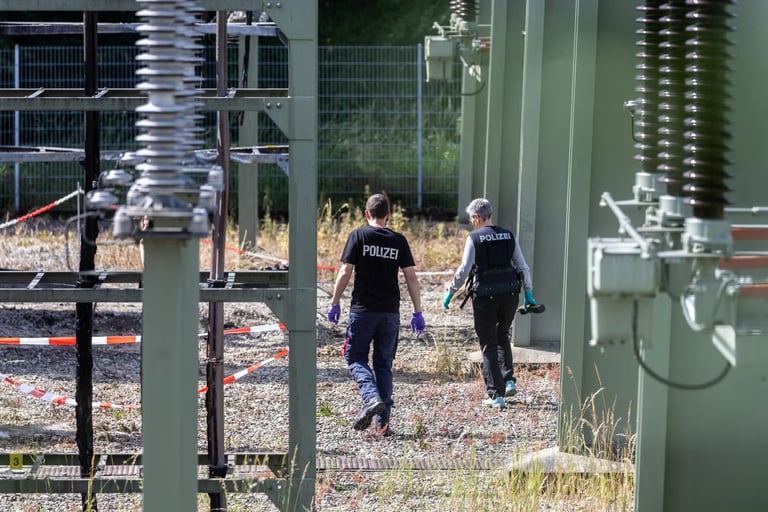

Tensions in the region are rising as drone incursions over Lithuania intensify, underscoring the urgency of protecting electric infrastructure and boosting cross-border coordination within the EU’s energy security framework.
Alytus is identified by Litgrid as a prime target, reflecting Lithuania’s security posture shaped by its Soviet past and its proximity to the Ukraine conflict.
Europe is crafting a unified approach to shield the electric grid from sabotage and cyberattacks, with France proposing a 2027 crisis exercise to test readiness.
The Alytus transformer station stands as a strategic link to Poland and a linchpin in Lithuania’s shift from Russian networks toward the European grid, a transition funded largely by the EU.
Lithuania completed its synchronization with the European grid in February 2025, part of a 1.65 billion euro interconnection project funded mainly by the EU, with no incidents during interconnection.
Since 2024, Lithuania and the Baltic states have invested around 150 million euros over five years to harden critical electrical infrastructure, including concrete barriers, anti-drone nets, and strategic equipment reserves.
Vilnius allocated 150 million euros over five years to bolster resilience as part of a broad government strategy to protect critical infrastructure.
European authorities warn of a heightened risk of a major blackout amid ongoing tensions with Russia, prompting serious precautionary planning.
Context includes decades of caution from Soviet rule and ongoing security concerns due to proximity to the Ukraine conflict and recent drone incursions into Lithuanian airspace.
Summary based on 2 sources