EU Moving Too Slowly to Regulate PFAS, Auditors Warn of Gaps in Health Protections
November 18, 2026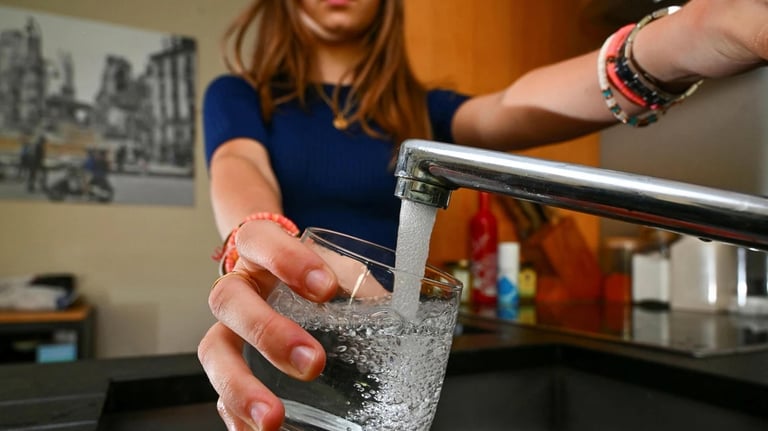

A European Court of Auditors report published on November 18 says the EU is moving too slowly to regulate PFAS, persistent chemicals used in products ranging from rain jackets and packaging to furniture and cosmetics, and that current protections may not adequately safeguard people or the environment.
PFAS comprise more than 10,000 human-made chemicals valued for properties such as water repellency; they persist in the environment and can accumulate in people and ecosystems, with health effects linked to or suspected of including cancer, reproductive problems and hormonal disruption.
The auditors found broad weaknesses in the EU’s approach, including gaps in chemical registration, slow restrictions, uneven enforcement and uncertainty over whether food and drinking-water limits protect people from long-term exposure.
Most PFAS are not registered under REACH, in part because substances produced or imported in quantities below one tonne per year and some polymers fall outside its reporting requirements, leaving regulators with limited information about potential risks.
Restricting an individual substance can take about six years of evaluation followed by five more years for a decision and transition periods; manufacturers may then replace it with a similar chemical whose safety is uncertain.
Food and drinking water are major routes of exposure, but EU water limits rely on scientific data from 2017 and may not account for increased pollution; although countries reporting data have generally met current limits, the auditors say this does not establish that long-term exposure is safe.
Food protections are also incomplete: limits cover only four PFAS compounds and selected products, while some foods, including vegetables, have no maximum limits and available evidence has not been used to update the rules.
The auditors’ calculations suggest that small portions of some foods could reach an adult’s tolerable weekly PFAS intake, including seven grams of anchovies, 39 grams of wild salmon, 181 grams of eggs or 237 grams of beef.
Enforcement is uneven, with one-third of EU member states reporting that they do not conduct targeted checks on compliance with PFAS restrictions or food limits; companies largely assess their own compliance.
The report also highlights trifluoroacetic acid, a persistent, mobile residue of PFAS pesticides found widely in drinking water and the environment, for which harmonized limits and food monitoring are lacking.
Germany, Denmark, the Netherlands, Sweden and Norway proposed a broad restriction covering the PFAS family in 2023, but the complex assessment has slowed progress; the auditors want the European Commission to decide by the end of 2027 whether to proceed.
The European Commission says it aims to speed up the phaseout while preserving industrial competitiveness, with tightly controlled exemptions for critical uses; the Chemical Industry Association opposes a blanket ban, arguing some PFAS are essential and restrictions should focus on substances with demonstrably uncontrollable risks.
Summary based on 6 sources