EU Delays Methane Rules for Fossil-Fuel Imports Until 2029 Amid Industry Pressure
November 19, 2026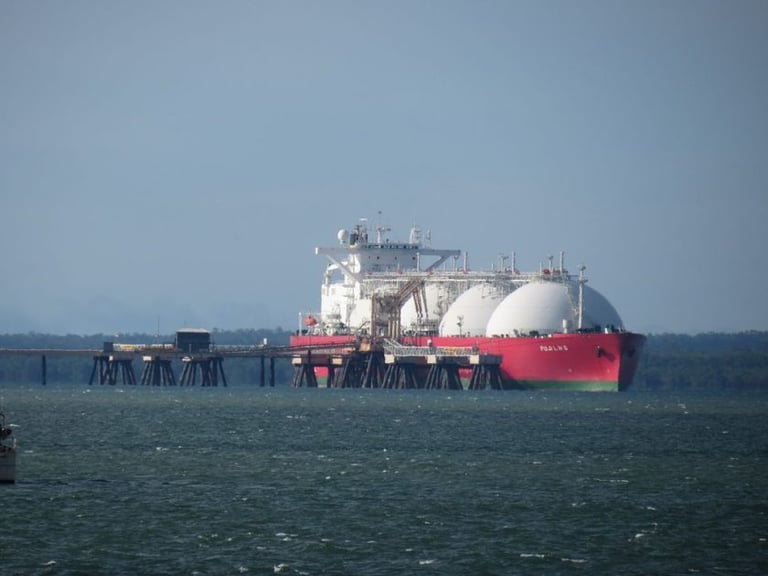


The EU has agreed to push back methane requirements for fossil-fuel imports by two years, giving importers until Jan. 1, 2029, to meet monitoring, reporting and verification obligations; methane-intensity reporting for European producers and importers is delayed until August 2030.
The rules remain in force, requiring oil and gas operators to check for major leaks and repair them, while restricting venting and flaring in certain circumstances.
The agreement came as delegates gathered in Antalya, Turkey, for COP31, where methane reduction is among the EU’s stated priorities.
The compromise followed industry opposition and pressure from the United States as the EU pursued a more business-friendly agenda and sought to compete with China and the US.
The United States and nearly all of the oil and gas industry lobbied against the rules, with Andrew Puzder welcoming the compromise on Nov. 19.
Supporters say the original timetable could threaten energy security, affordability and industrial competitiveness amid volatile prices and possible supply disruptions; Dimitris Tsiodras said the change makes compliance practical, while Karel Havlíček called it a success for the Czech Republic and 19 supporting countries.
Compliance requires satellite tracking, drone surveillance and continuous optical gas imaging, technologies and certified workers that may take years to deploy across extensive infrastructure, especially for smaller operators.
Critics counter that delaying the rules may not improve supply or lower prices, since the law does not ban non-compliant imports and initially requires monitoring and disclosure rather than emissions cuts.
Katharina Dröge called the delay a “bitter signal,” saying pressure from Reiche and Friedrich Merz led the EU to postpone important climate rules during the climate conference in Antalya.
Environmental groups said the postponement was unnecessary and risks weakening the credibility of EU climate policy, while Environmental Defence Fund Europe welcomed the preservation of the law’s central provisions and urged that the extra time be used to implement them.
Wopke Hoekstra defended the delay as a response to implementation obstacles, saying Europe had gained time but remained a leader in cutting greenhouse-gas emissions.
The provisional deal still requires formal approval by the Council and Parliament before the amendments can be published in the EU’s Official Journal and enter into force.
Summary based on 19 sources
Get a daily email with more World News stories
Sources

Investing.com • Nov 19, 2026
US gas exporters more comfortable signing European deals after EU delays methane regulation
Modern Ghana • Nov 19, 2026
EU delays new methane emissions rules until 2029 despite climate concerns
https://eutoday.net • Nov 20, 2026
Europe Delays Methane Emissions Rules as Energy Security Takes Precedence