EU Leaders Fail to Agree on Budget and €45 Billion Ukraine Loan
November 28, 2026

A special EU summit in Brussels ended without agreement on either the 2028–2034 budget or a proposed loan of up to €45 billion to cover Ukraine’s 2027 financing needs; leaders are due to resume talks on Dec. 17, their final scheduled chance to strike a budget deal by year-end.
The summit, convened by European Council president Antonio Costa, broke up early amid a widening divide between countries seeking tighter spending and those backing a larger budget.
Ireland’s rotating Council presidency proposed a €1.62 trillion budget, 8% below the Commission’s original plan, while the European Parliament favors €1.78 trillion at 2025 prices and the Friends of Cohesion support the Commission proposal.
The split is sharp: Germany and six other net contributors, the “Sensible Seven,” want cuts, while 17 countries led by France and Italy, the “Friends of Cohesion,” are pushing for a larger budget.
The proposal would reduce agriculture, fisheries and cohesion funding from 59.1% to 42.4% of spending, while increasing the share for competitiveness, security and defense from 17.7% to 27.7%.
European Parliament President Roberta Metsola warned that cuts to cohesion funds would be difficult to justify and said Parliament would not automatically approve a Council deal; the framework needs at least 361 votes in the 720-seat chamber.
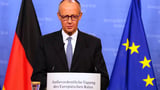
Germany’s Friedrich Merz supports putting the Ukraine loan in the next long-term budget but has threatened to veto the budget unless all 27 governments back it, rejecting a plan to share the cost among a smaller coalition.
European Council President Antόnio Costa said 24 of the 27 member states support the loan, while Slovakia, Hungary and the Czech Republic oppose participating; Bulgaria backs only its €20 billion civilian component.
France, Germany and Poland support continued assistance to Ukraine, while Slovakia’s Robert Fico called Merz’s reported budget threat “typical blackmail.”
If the loan slips into 2027, Ukraine may need bridge financing from bilateral donors or the IMF to pay soldiers and civil servants, though ammunition and air-defense deliveries funded through other channels would continue.
Efforts to bridge the divisions, including Costa’s smaller-group discussions and Emmanuel Macron’s appeal for unity, failed to produce a deal.
Poland’s Donald Tusk argued that Europe needs to spend more on security, while European Commission president Ursula von der Leyen said talks had progressed and urged leaders to reach an agreement by year-end.
Summary based on 5 sources
Get a daily email with more World News stories
Sources

Deutsche Welle • Nov 27, 2026
EU budget summit ends abruptly in Brussels
Logo
Euro Breakdown
Envanter Medya • Nov 28, 2026
EU Summit Ends Without Deal as Slovakia, Hungary and Czechia Hold Out on €45 Billion Ukraine Loan - Envanter Medya