Geopolitical Tensions and Technology Drive Market Volatility: Global Trade and Investment Risks Rise
November 4, 2025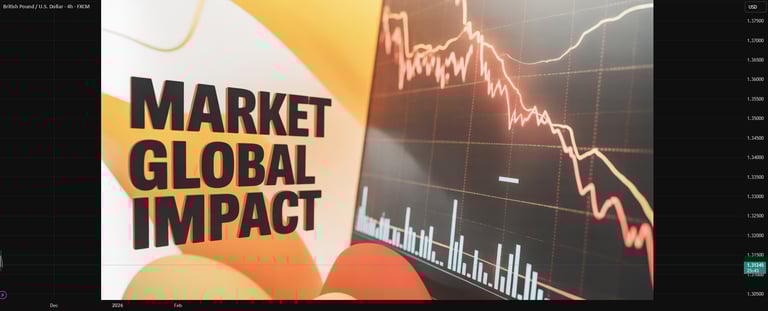

Geopolitical tensions and trade frictions are reshaping trade routes and energy supplies, triggering safe-haven flows and heightened volatility across equities and commodities.
Major central banks, led by the Fed, ECB, and BoJ, steer global liquidity and borrowing costs, with rate moves driving dollar strength, capital shifts, and market swings.
Technological progress and digital transformation are changing market access and efficiency through electronic trading, AI analytics, and digital assets, while also bringing regulatory and stability risks.
ESG and sustainability trends are guiding investment choices and corporate strategy, reshaping valuations and leadership across industries.
Systemic risks from global crises and shocks highlight how interconnected markets amplify crisis transmission, as seen in past downturns.
Inflation-driven policy tightening supports higher commodity prices, with gold as a common hedge and oil reflecting global growth expectations.
Emerging markets attract capital yet remain susceptible to global volatility and outflows, influencing currencies and equity performance in regions like India and Brazil.
The outlook points to ongoing volatility from tech disruption, AI, renewable energy, geopolitics, and debt concerns, underscoring the need for diversification and adaptability.
Currency dynamics affect import costs and inflation, with a stronger dollar or weaker yen impacting exporters and consumers.
Greater globalization has deepened market interdependence, so regional shocks reverberate through global supply chains, trade, and finance.
Summary based on 1 source
Get a daily email with more Financial Markets stories
Source

TradingView • Nov 4, 2025
Impact in the Global Market for FX:GBPUSD by GlobalWolfStreet