Consensus Hong Kong 2026: Stablecoins Poised to Revolutionize Global Payments Infrastructure
February 15, 2026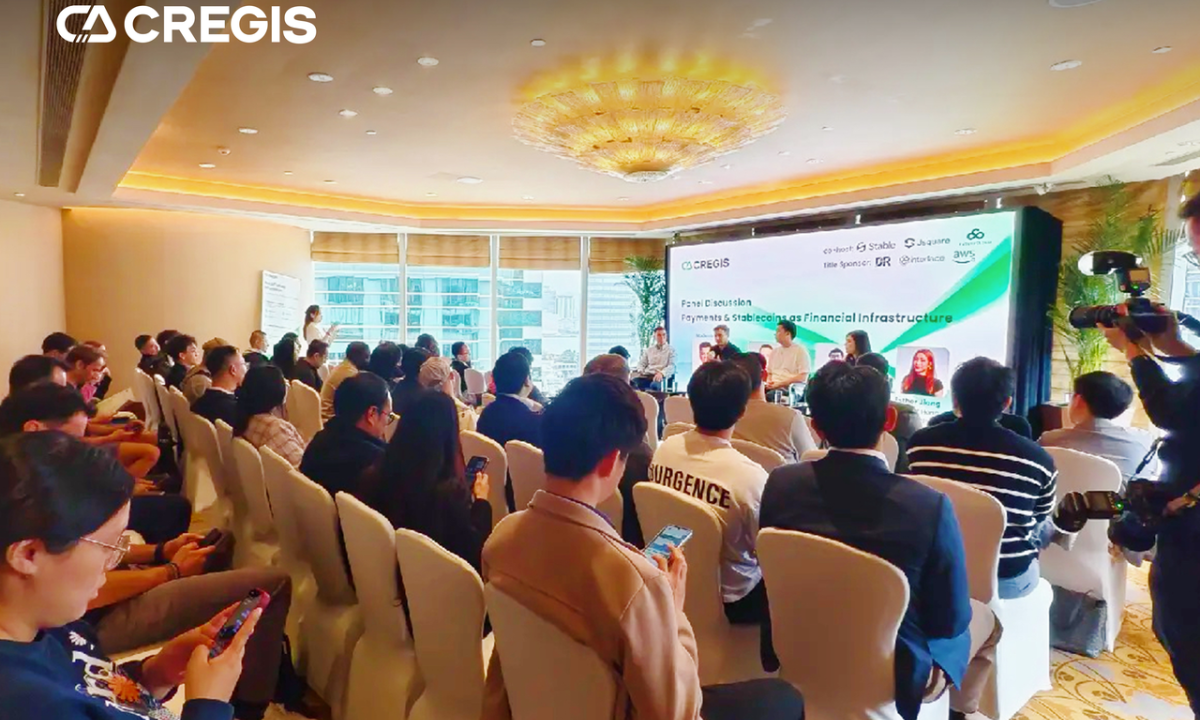


Key discussions at Consensus Hong Kong 2026 centered on stabilizing the future of payments via stablecoins, emphasizing a shift from mere payment tools to broad financial infrastructure, regulatory licensing gaps, cross-border settlement challenges, and a hybrid model combining globally universal and locally compliant stablecoins.
Cregis tallies show rapid enterprise traction, with footprints across more than 50 countries, roughly 3,500 enterprise clients, and a spotless security record, underscoring growing enterprise adoption.
The Institutional Payment & On-Chain Financial Infrastructure Summit, held on February 9 in Hong Kong during Consensus Hong Kong 2026, was co-hosted by Cregis and partners such as Stable, Jsquare, and FutureCloud.
Cregis outlined a long-term strategy to move beyond enterprise wallets toward bank-like SaaS custody, pursue VASP licenses, and build a blockchain settlement system that could connect banks and transform traditional card networks.
Cregis presented a three-tier enterprise on-chain infrastructure: a Security Foundation (MPC/HSM), a Compliance-Enabled Workspace (DIG for auditable access and risk analysis), and a Business Platform (multi-chain with ERP/payment integration) for scalable, compliant access to global digital assets.
Diverse industry voices from Conflux, SlowMist, Hex Trust, Tevau, Interlace, AWS, and others discussed cross-border payments, risk controls, and interoperability.
Industry session noted by Henry Chan of Interlace and AWS alike pointed to a potential surge in stablecoin usage, with AWS outlining a reference architecture for stablecoins and cross-chain deployments, and a forecast of significant market growth.
Aaron Zhang of Cregis said the industry is moving from feasibility debates to building scalable, governance-ready infrastructure, with ongoing collaboration to enable interoperable, compliant, institution-ready solutions.
Panels highlighted security and compliance as central, with risks from operational gaps, a call for native Web3 standards, and practices like multi-sig, MPC, and custody to strengthen fund management and regulatory alignment.
There was broad consensus on integrating stablecoins into traditional payment networks, standardizing data specs and security protocols, maintaining ongoing regulatory dialogue, and embedding compliance as a core design principle.
The summit outcomes pointed toward a scalable, compliant, institution-ready on-chain financial infrastructure with potential to reshape global capital flows and settlements through continued collaboration.
A key consensus was that the ultimate stablecoin model will be a hybrid of globally universal and locally compliant options, with regulatory clarity, standardized data specs, and security-first design driving institutional adoption.
Summary based on 2 sources
Get a daily email with more Crypto stories
Sources

TradingView • Feb 15, 2026
Industry Executives Gather at Cregis Summit to Define the Future of Institutional Blockchain Finance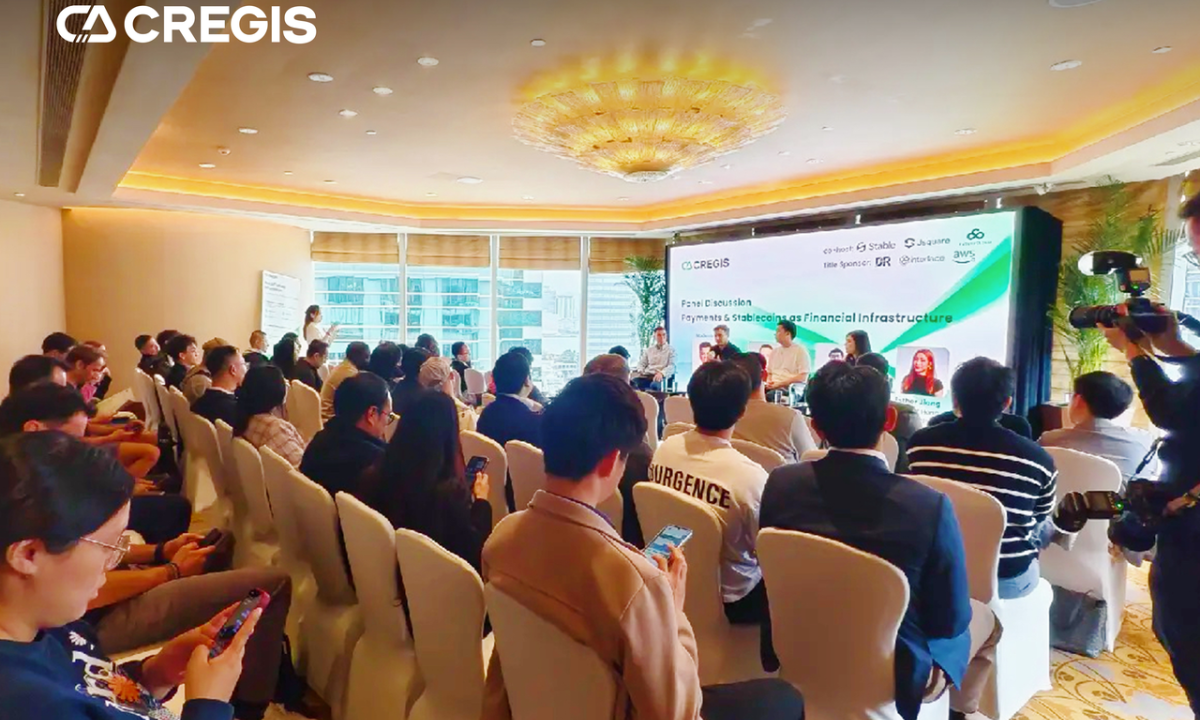
markets.businessinsider.com • Feb 15, 2026
Industry Executives Gather at Cregis Summit to Define the Future of Institutional Blockchain Finance