Asia’s Tech Rally Soars, but Doubts Persist Over AI Demand
November 24, 2026

A sharp rebound in U.S. technology shares on Monday lifted Nvidia more than 30% and sent the Philadelphia Semiconductor Index up over 14%, easing some concerns about the AI sector; the rally followed news concerning Jensen Huang’s return as CEO.
Taiwan and South Korea led the regional gains because of their exposure to semiconductor manufacturing, while Japan also benefited as investors returned to technology shares.
Asian markets extended the rebound on Tuesday, with Tokyo’s Nikkei 225 rising 3.91% to 58,644.63 and ending a five-session losing streak after reopening from a public holiday; Taiwan’s TAIEX gained about 9% and South Korea’s KOSPI about 6.3%.
The recovery was not broad enough to signal that the correction is over: the Nikkei remained below its pre-sell-off level, volatility rose, and gains were concentrated in a handful of large technology stocks.
China and Hong Kong lagged the rally, with Hong Kong slipping and mainland China posting only modest gains, amid differing domestic conditions and concerns over restrictions on advanced semiconductor exports to China.
By Tuesday, U.S. stock futures had weakened and Nvidia was down more than 3% in premarket trading alongside Micron, Marvell Technology, AMD and Arm, suggesting some investors were taking profits after Monday’s surge.
Hewlett Packard Enterprise reported fiscal fourth-quarter revenue of US$14.55 billion and free cash flow of US$1.92 billion, both above consensus, while cloud and AI sales rose about 69% and orders more than doubled; its shares nevertheless fell more than 9% in Tuesday premarket after gaining over 17% on Monday.
HPE forecast current-quarter revenue of US$14 billion to US$14.6 billion and adjusted earnings per share of US$1.30 to US$1.40, projected fiscal 2027 results above analyst expectations, and announced an additional US$5 billion share-buyback programme; analysts cautioned that AI-related spending may not prove durable.
Whether the market rebound reflects stronger underlying demand will depend on evidence such as supplier orders, production, shipments, customer investment, quarterly results and company guidance, rather than share-price moves alone.
Demand for computing hardware also depends on available manufacturing capacity and customer investment in supporting infrastructure such as power, cooling and networking, as well as financing and plans for using that capacity.
The semiconductor supply chain spans chip designers, foundries, memory producers, equipment suppliers and assembly specialists, whose products, revenue models and operating cycles differ.
Testing-equipment suppliers rely on customers’ equipment purchases and factory-investment schedules, not simply on demand for finished chips.
Summary based on 9 sources
Get a daily email with more Financial Markets stories
Sources

JIJI PRESS • Nov 24, 2026
Nikkei Rebounds Sharply on AI-Related Buybacks
News.az • Nov 24, 2026
LIVE updates: Asian stocks surge on Nvidia rally as US futures edge higher | News.az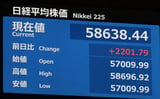
МИА «Казинформ» • Nov 24, 2026
Japan’s Nikkei surges massively fueled by AI comeback