EU Considers 'Made in Europe' Mandate to Boost Domestic Manufacturing, Faces Debate Over Scope and Impact
February 17, 2026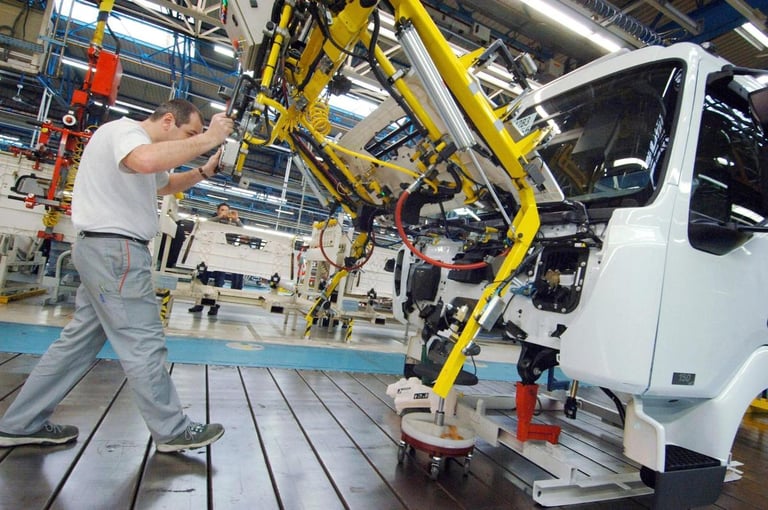

A consensus is forming for a targeted approach: limit the rule to a subset of critical components and a few strategic sectors, applying only where public funding is involved.
The scope may include automotive, solar, wind, and batteries, with a mechanism to treat products from Europe or trusted partners as European and to seek reciprocal commitments.
The act would impose controls on foreign investments above €100 million, including limiting majority stakes and requiring licensing of intellectual property to safeguard European interests.
Some member states, including Germany, Sweden, the UK, and Türkiye, prefer a looser approach to avoid supply-chain disruptions and higher costs, while still acknowledging international components.
The European Union is weighing an Industrial Accelerator Act that would require a portion of products funded by public money to be made in Europe, in a bid to bolster domestic manufacturing.
Debate centers on whether the Made in Europe rule should be strict or looser, with discussions around whether to label it Made with Europe or Made in Europe.
Concerns include possible retaliation from supplier countries, effects on trade with Britain and Türkiye, and uncertainties about the exact component content and thresholds needed for public funding.
Public procurement, totaling over 2 trillion euros, would be used to favor Europe-made goods by setting content and low-carbon standards for products funded through contracts and subsidies in key sectors like batteries, renewables, hydrogen, and nuclear.
Some EU states worry the law could raise costs or dampen investment, though France and much of European industry back the plan.
The definition of made in Europe currently aligns with the European Economic Area and could expand to trusted international partners, though exceptions may arise due to cost and supply-chain realities.
Proposed sectors likely to be covered include renewable energy equipment and the automotive industry, targeting issues like overcapacity and subsidies from China.
President Macron argues for a European preference to shield strategic sectors such as cleantech, chemistry, steel, automotive, and defense.
Summary based on 3 sources
Get a daily email with more World News stories
Sources
Arabnews • Feb 17, 2026
Trump’s new envoy arrives in South Africa with relations frayed
Modern Diplomacy • Feb 17, 2026
Inside the EU’s draft ‘Made in Europe’ law: Key points explained