France Seizes Record 109 Tonnes of Drugs Amid Rising Illicit Trade, Urgent Call for Customs Overhaul
February 19, 2026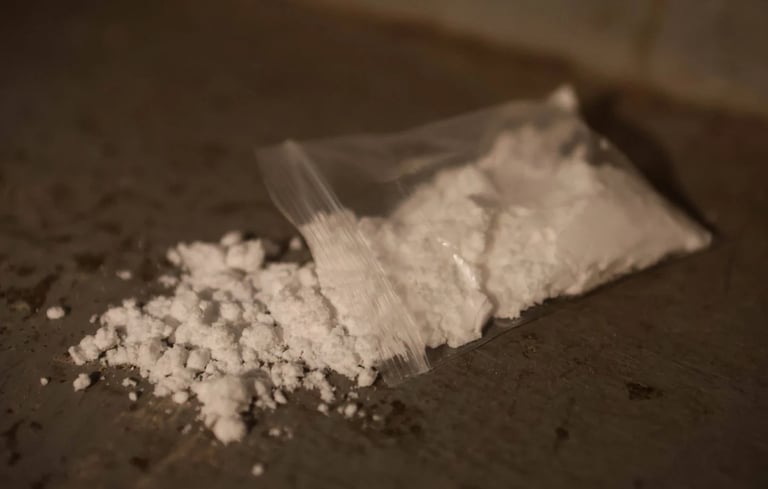

France’s customs reported a 2025 surge in illicit drugs seizures, totaling 109 tonnes and led by cocaine at more than 31 tonnes, signaling intensified trafficking pressure.
The data place narcotics enforcement within a broader pattern of growing illicit goods movement via traditional routes and rapid parcel shipments, signaling higher operational pressures for Douanes.
Customs reported 1,061 firearms seized, among 777,577 weapons, ammunition and parts, including nearly 96 military-grade firearms and over 700,000 rounds, with ghost gun warnings as a security risk.
The report highlights the growing challenge of small parcel shipments from Asia complicating enforcement for French border control authorities.
Authorities warn of the rising risk of ghost guns— unserialized, hard-to-trace firearms assembled from components or 3D-printed—as a growing public safety threat.
France’s Douanes 2030 roadmap aims to boost technology, intelligence, and working conditions for agents, with broader state support for enforcement.
President Macron has called for a massive customs plan to strengthen monitoring at ports and airports, speeding up the deployment of scanners to scale up anti-narcotics actions.
The plan is part of broader efforts ahead of local elections to intensify anti-narcotics actions at strategic entry points.
About 800 million low-value e-commerce items enter France annually, often avoiding duties, with major shipments from platforms like Shein, Temu, and AliExpress; ministers warn this trend strains the customs model.
The seized drugs were valued at about 2.2 billion euros, with cocaine accounting for over 1.5 billion euros, marking a roughly 78% increase from the previous year.
In 2025, customs also intercepted over 20 million counterfeit items and more than 547 tonnes of contraband tobacco, underscoring broader illicit trade challenges and fiscal losses for public finances.
Union critics say there are insufficient human and material resources, especially at Le Havre, to conduct inspections and deploy new scanners, and budgets do not include new hires.
Summary based on 4 sources