French Court Upholds Controversial A69 Motorway Amid Environmental Opposition
June 29, 2026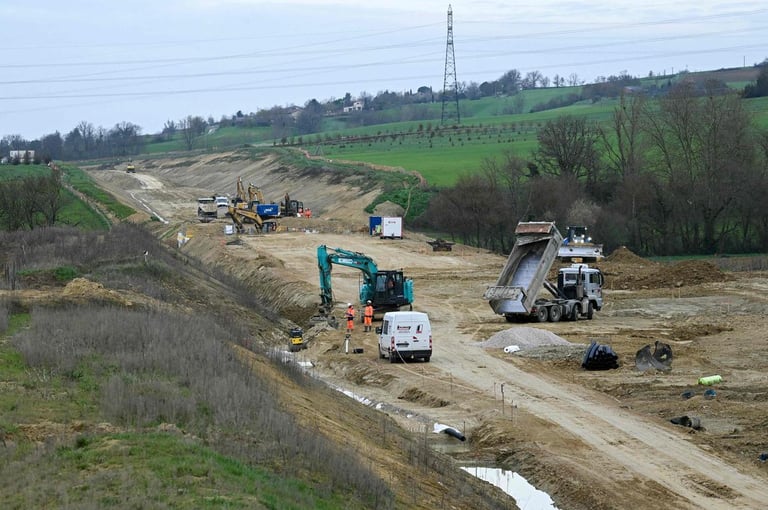

The Conseil d’État on June 29, 2026 validated the environmental authorization for the A69 Toulouse-Castres motorway, upholding the Toulouse Administrative Court of Appeal decision amid ongoing ecological opposition.
This validation confirms the environmental authorizations as definitive and sustains the project’s continuation between Toulouse and Castres, following the public rapporteur’s recommendations.
Opponents, including Gilles Garric of La Voie est libre, describe the ruling as a capitulation and express strong disappointment, insisting they are not resigning.
Critics, including associations and scientists, argue the project harms wetlands, agricultural land, trees, ecosystems and groundwater, noting the 53-kilometer segment is meant to cut travel time by about 20 minutes.
The court says the project serves an imperative public interest due to time savings, improved quality of life, economic development, and road safety, making the environmental authorizations final.
Some argued the impact study on protected plant species was incomplete, but the Conseil d’État did not find these objections valid, dismissing all three appeals.
The State rejected alternatives such as upgrading the existing road network, doubling RN 126, or improving rail links, concluding none adequately meet the four objectives as effectively as the new motorway.
Further information from major outlets indicates ongoing coverage and updates on the case.
The ruling intensifies the controversy, underscoring a deep divide between supporters and opponents who view the decision as definitive for the project’s environmental approvals.
Previously, a February 2025 tribunal annulled the environmental authorizations, but that decision was overturned on appeal later that year, leading to the current definitive validation.
The decision allows the continuation and completion of the remaining section, already about 70% done, pleasing economic interests and local authorities.
Opponents mocked the ruling with provocative remarks about tolls and traffic conditions, signaling they will continue to challenge the project in other ways.
Summary based on 6 sources