Nvidia RTX 5000 Series Faces Overheating Crisis: Lifespan Concerns Arise Amid PCB Design Flaws
April 23, 2025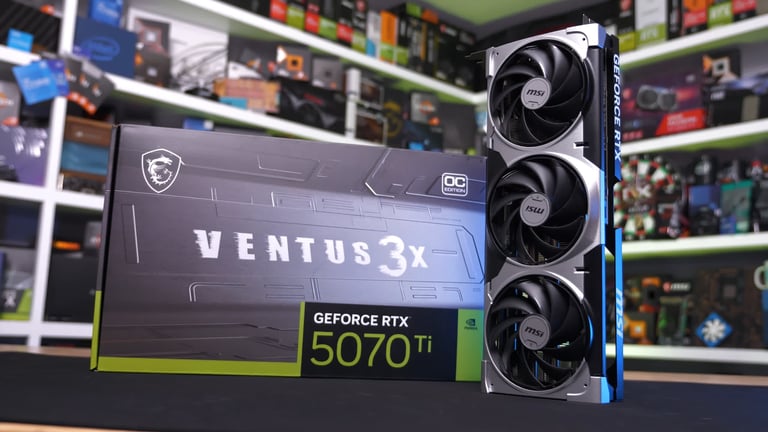

Igor Wallossek of Igor's Lab has uncovered serious overheating issues within Nvidia's RTX 5000 series graphics cards, particularly affecting models from Blackwell's AIB partners.
The overheating problem is largely due to the tight arrangement of FETs, chokes, and drivers on the PCB, which causes heat to concentrate in a limited area.
Additionally, the thin PCB traces, measuring only 35 to 70 micrometers in thickness, struggle to handle the high current load, exacerbating temperature risks.
During stress tests, local hotspots were recorded in power delivery areas, with the PNY RTX 5070 OC reaching alarming temperatures of 107 °C and the Palit RTX 5080 Gaming Pro OC peaking at 80.5 °C.
Measurements revealed that VRM zones are nearing critical temperatures that could lead to electromigration, with some areas exceeding the glass-transition temperature of standard PCB resin at around 105 °C during intense gaming sessions.
Wallossek cautions that these elevated temperatures could significantly reduce the lifespan of the graphics cards, potentially limiting their usability to just a few years under heavy use.
Criticism has also been directed at Nvidia's Thermal Design Guide, which is seen as being based on ideal conditions rather than the more challenging real-world scenarios that often include poor ventilation and high humidity.
As a temporary fix, Wallossek suggested using thermal putty and a thicker pad, which successfully lowered temperatures, reducing the RTX 5080's peak from 80.5 °C to 70.3 °C and the RTX 5070's from 107.3 °C to below 95 °C.
Despite these findings, Nvidia has yet to respond, raising concerns about the company's reliance on self-certification from its AIB partners for quality control.
Summary based on 1 source
Get a daily email with more Gadgets stories
Source
TechSpot • Apr 23, 2025
Nvidia RTX 5000 cards show PCB hotspots that threaten longevity, says Igor's Lab