Meta's Secretive Facial Recognition in Smart Glasses Raises Privacy Concerns Amid Regulatory Scrutiny
June 5, 2026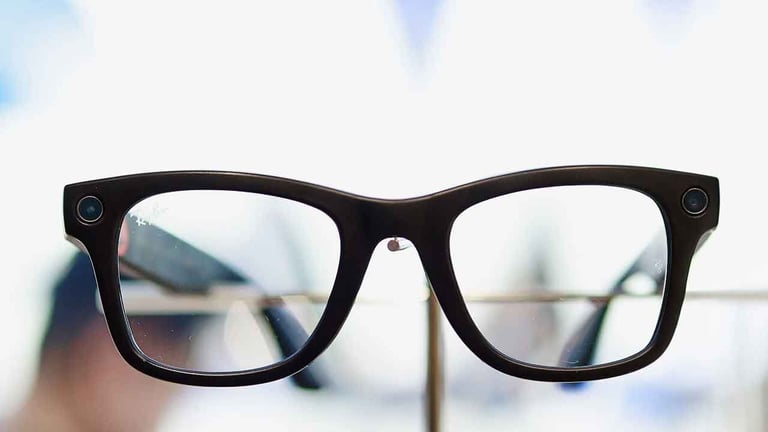

Meta has not launched consumer-facing facial recognition and describes the tech as exploratory, with no central database and a commitment to a thoughtful approach before any public release.
Hidden in the Meta AI app, facial recognition code tied to smart glasses—internally codenamed NameTag—can identify people in the glasses’ camera view and alert the wearer.
Interest in glasses-based recognition has persisted since 2021, with current code analysis suggesting core components may already live in the Meta AI app, though they remain undisclosed to users.
Ethical concerns and potential accessibility benefits are being weighed by officials as they consider how to balance privacy, security, and utility in a politically charged landscape.
Regulatory and public scrutiny around facial recognition, including prior fines over biometric data handling, frames these developments.
The timing underscores wearables as a battleground for AI, with NameTag’s fate uncertain and possibly shaped by regulatory pressure or ongoing testing.
NameTag components reportedly detect faces, crop them, and convert them into biometric signatures stored on a user’s device, with parts already distributed in software to millions of phones by January 2026.
Wired’s investigation shows three AI models underlie the groundwork—face detection, face cropping, and encoding into biometric data—and all are resident on users’ phones.
The feature, nearly ready, would notify wearers when a known face is identified, using three local models for detection, cropping, and faceprint encoding.
Wearables like smart glasses could redefine privacy expectations and opt-out feasibility if recognition becomes mainstream.
Independent researchers corroborate the tech’s proximity to operation, with at least one test allegedly triggering a notification using a faceprint of a public figure.
Experts warn about consent, data storage, and potential expansion of identifiable faces, arguing that opt-in protections may still fall short of mitigating privacy risks.
Summary based on 6 sources
Get a daily email with more Tech stories
Sources

Mashable • Jun 5, 2026
Meta quietly added facial recognition code for smart glasses to its app

Engadget • Jun 4, 2026
Wired Found Code For An Unreleased Facial Recognition Feature In Meta's AI App
Digital Trends • Jun 5, 2026
Meta accused of preparing facial recognition features for AI smart glasses