Engineered Yeasts Transform Plastic Waste into Edible 3D-Printed Cookies: A Future of Sustainable Snacking?
August 24, 2026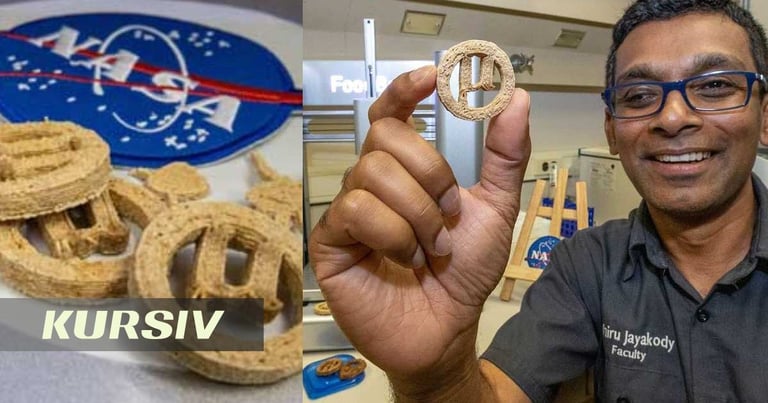


Scientists at Southern Illinois University Carbondale are developing engineered yeasts that convert PET plastic and crop waste into edible components to create a 3D-printed cookie called μBites, aiming to address food security in extreme environments.
Originating from NASA’s Deep Space Food Challenge grant in 2024, the project seeks to feed astronauts and eventually help tackle global food insecurity by turning waste into nourishment.
No formal human taste tests have occurred yet because regulatory approval for flavor testing is pending; initial odor tests were positive and suggested potential acceptance under extreme conditions.
Experts emphasize that rigorous safety, scalability, cost, and regulatory considerations remain before any commercial application can be pursued.
The piece frames the effort as early-stage and exploratory, balancing innovation with the societal hurdles to adoption.
The technology is viewed as a specialized, not universal, solution to plastic waste due to cost and scale constraints.
Context notes a broader rise in global plastic waste, projected to nearly triple by 2060, underscoring the need for diverse waste-management approaches beyond consumer use.
While connected to broader efforts like DARPA’s ReSource and other microbial-food initiatives, experts caution against expecting a one-size-fits-all solution to plastic waste given scale and consumer acceptance limits.
The article positions μBites as a potential aid for recycling and food security rather than a standalone fix for plastic pollution, acknowledging optimism and doubts about commercial viability.
Potential niche applications include military submarines, disaster relief, and long-duration space missions, though scale and cost remain major questions.
Current challenges include demonstrating consistent contaminant removal, ensuring food-safety compliance, improving conversion efficiency and energy use, and achieving broad consumer acceptance and scalable production.
Ongoing research emphasizes health implications and the need to understand long-term effects of plastics-derived foods on humans.
Summary based on 34 sources
Get a daily email with more Startups stories
Sources
Mashable • Aug 25, 2026
Scientists made edible cookies out of plastic
Gizmodo • Aug 24, 2026
Scientists Develop Microbes That Make Vanilla Cookies Out of Plastic Bottles
The Guardian • Aug 24, 2026
‘Cookies’ made from plastic may be on the menu for future astronauts
ARY News • Aug 25, 2026
Plastic waste cookies developed by scientists to tackle global hunger