Apple Unveils 16-inch MacBook Pro with PROLED XDR Touchscreen and M5 Max Chip
November 5, 2026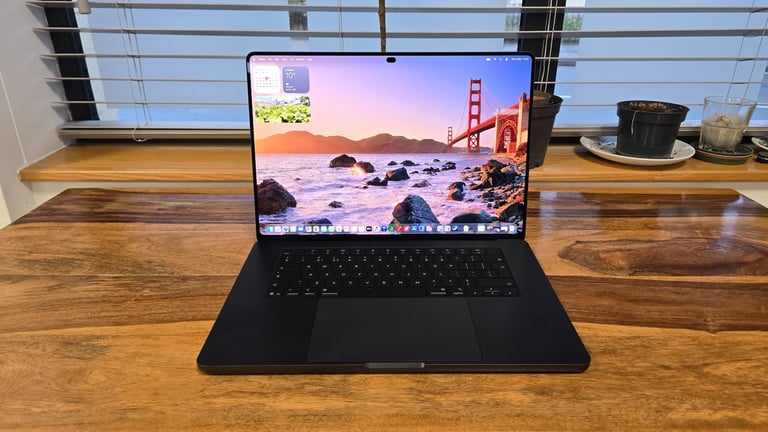

The 16-inch MacBook Pro with PROLED XDR display debuts a 16.3-inch panel at 3472x2266 resolution, 120 Hz refresh, up to 2000 nits peak brightness and 1000 nits SDR, paired with an M5 Max configuration featuring 18-core CPU, 128GB RAM, 2TB storage and a weight of 4.0 pounds; pricing tests place it at $7,399 for top-end with a $400 premium for PROLED XDR over Liquid Retina XDR.
Reviewers praise the OLED PROLED display for brighter colors, higher contrast, and HDR brightness, noting an improved viewing experience and color accuracy for photographers.
The coverage ties the new touch-enabled MacBook Pro to Apple executives’ statements that touch on the MacBook Pro was the right time to add touch, framing the feature as part of the broader strategy.
Prospective buyers remain cautious, with many signaling they will wait for further enhancements and next-generation chips before upgrading.
Battery life and thermals are generally solid so far with no overheating, though some benchmarks are pending due to shipping delays.
Dynamic Island and Live Activities are integrated features that work better with a mouse than touch, offering some convenient controls for media and notifications.
Gizmodo downplays the significance of touch, arguing the device excels regardless of touchscreen use while also praising audio improvements.
Overall design is a slim revision rather than a radical redesign, with minimal changes to top case, keyboard, trackpad, speakers and ports.
Touch delivers usable finger navigation and modest productivity benefits, but many buyers should upgrade primarily for the display and performance gains, with stylus support still anticipated but not present.
Verdict is broadly positive about display and multimedia, while noting drawbacks such as cooling noise, chassis temps under load, power-supply adequacy, PWM flicker for sensitive users, and limited upgradeability.
Six Colors highlights Dynamic Island replacing the notch, saying it adds ambient information without clutter and approves of the UI integration with the new hardware.
Internal hardware uses the same M5 Pro and M5 Max chips as the prior generation, with performance parity to non-OLED models reducing upgrade incentives for some users.
Summary based on 25 sources
Get a daily email with more Tech stories
Sources
WIRED • Nov 5, 2026
The New MacBook Pro's Touch Display Is Something Special
The Verge • Nov 5, 2026
The touchscreen MacBook Pro is a winner
Mashable • Nov 5, 2026
M6 MacBook Pro review: This laptop gave me déjà vu