Metroid Prime: Beyond - A Mixed Bag of Exploration and Innovation
December 2, 2025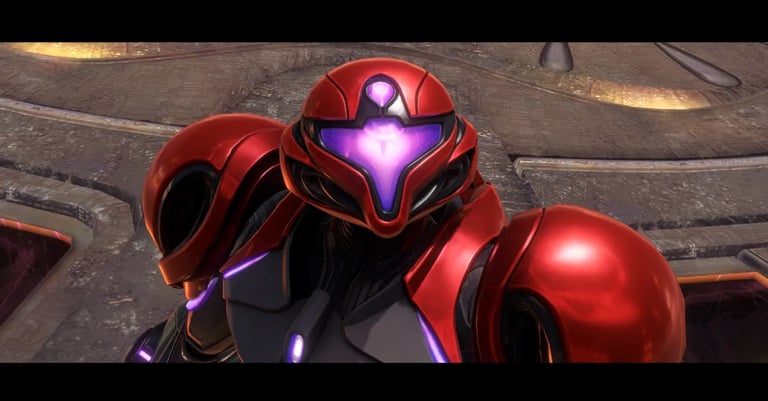


Combat and boss fights are solid and puzzle-focused, though some encounters can be punishing if allies aren’t revived in time, adding frustration in late sections.
Verdiсt highlights labyrinthine architecture, intense combat, and scanning to uncover story, but critiques open-world tedium and some control quirks.
Lamorn-derived upgrades, such as the Control Beam and Psychic Bomb, expand combat and puzzle options, though some mechanics feel fiddly and could have been simplified for smoother progression.
The opening hour is abrasive due to a chatty sidekick character, Myles McKenzie, which some critics view as discordant but not fatal to the overall experience.
Critics praise strong worldbuilding and lore hints, yet many feel the narrative stops short of delivering a complete story and hints at a setup for a larger future installment.
Both versions are set to launch on Thursday, December 4.
Sol Valley desert hub and the Vi-O-La motorcycle deliver new traversal dynamics, evoking loneliness and vast spaces with fewer forced side activities.
Boss battles are among the series’ best and most memorable, with Metroid biology integrated into enemies for a distinctive vibe.
The Switch 2 eShop lists the Switch edition at 28.9GB, creating a discrepancy with storefront listings.
Core Metroid Prime gameplay remains recognizable—scanning flora, fauna, and objects; regaining powers; backtracking to access new areas—while added NPCs and voice acting divide opinion amid the spacey electronic soundtrack.
A major design flaw is the expansive desert hub and motorcycle traversal, which at times feels monotonous and drab, driving lengthy backtracking and a tedious collect-a-thon.
Switch 2’s new controls improve aiming but can hinder long sessions, making Pro Controller or alternative controls preferable for most players.
Beyond is a capable but uneven sequel that nails Prime’s fundamentals while occasionally stumbling through experimental directions and open-world choices, excelling at the core but wavering in its deviations.
Narrative remains light and not a primary draw, with Samus as a strong, silent protagonist and limited meaningful interactions with other survivors.
Outlets diverge: some praise worldbuilding and ally dynamics; others criticize tutorial nudges, over-communication from companions, or the overworld’s dated feel and loading zones.
Vehicle gameplay includes a futuristic motorcycle that adds flair but suffers from stiff controls and dull combat, while ground combat and boss fights remain the strongest, demanding strategy and resourceful use of the arsenal.
Non-open-world elements include a potentially annoying in-game companion and upgrade paths requiring item collection and engineer authorization, contributing to progression padding.
Open-world structure is episodic yet cohesive, with areas like the Ice Belt for isolation and atmosphere and the Flare Pool introducing squad-based combat and potential character deaths, adding pacing variety.
Backtracking and a monotonous hub can dampen momentum near the end, though core Metroidvania gameplay remains strong when focused on isolation, discovery, and combat.
Players explore Viewros, a new planet offering a mega-map with rewards for uncovering hidden areas and ruins.
Core strengths include inventive level design, atmospheric tension, and satisfying boss battles when they work, signaling a sublime return for longtime fans.
The experience runs about 17 hours, visually appealing and enjoyable overall, but it doesn’t deliver the revolutionary impact some expected, with pacing drawbacks and circular exploration.
The core experience balances tight run-and-gun action with deep exploration, celebrating Samus’s independence while valuing teamwork and the surprises on Viewros.
Opening sequence features a big showdown with Sylux and Space Pirates, leading Samus to Viewros where a Psychic Crystal grants Lamorn tech abilities and sets up missions to protect a Memory Fruit and access teleportation tech.
The series continues its tradition of losing and regaining powers, emphasizing exploration over direct combat with boss-like challenges.
Vi-O-La, a motorcycle, enhances open-world traversal and offers new dynamics, while core gameplay blends Metroid Prime elements with new physics-based tools and traversal.
Metroid Prime 4: Beyond revisits the long-awaited sequel, delivering a high-quality Metroidvania experience on Switch 2 and Switch, with strong reception for core design and atmosphere.
Clunky psychic powers and an overbearing overworld fragment the experience, hindering smooth traversal.
Some pacing and progression feel overly linear in places, reducing the sense of discovery expected from a Metroid-like exploration game.
Scanning remains central but divisive, driving lore yet risking tedium and immersion for some players.
Gameplay blends third-person traversal with first-person shooting, featuring a responsive targeting system, varied beams and missiles, and load-outs to tackle waves and mini-bosses.
Major flaws include a sparse, desolate open world, underwhelming visuals versus rivals like Zelda, and a few generic companions that dilute Samus’s believability.
Explorer segments emphasize scanning and environmental storytelling, with roughly 12 hours of play and about 91% of scans completed in the reviewer’s run.
The opening pairs Hollywood flair with new side characters, while maintaining a solitary Samus as players explore Viewros and uncover Lamorn artifacts.
Overall verdict lands at 8.5/10, praising visuals, atmosphere, and fan-service while noting dated scanning mechanics and pacing trade-offs.
Metroid Prime: Beyond reintroduces the series’ core design of environmental storytelling—scanning objects, reading terminals, and gaining new abilities to unlock access to previously sealed areas—creating a tacit, exploratory pace.
A save system with a point-of-no-return overwrite risks late-game lock-in and regret for players who want to backtrack, a decision not clearly communicated.
The game blends new tools like psychic powers and time-slow mechanics with the classic Metroid formula, enabling players to unravel interconnected environments by obtaining new abilities and exploring strategically gated zones.
Overall the experience is enjoyable and polished but not the strongest Metroid title, with criticisms aimed at limited challenge outside boss battles, empty open-world deserts, and guidance from NPCs.
Pre-order options are widely available across major retailers, with some UK stores offering a Samus keyring, and no universal bonuses tied to Amiibo or region.
Visuals and audio stand out, with Switch 2 aesthetics and an ethereal, warbly soundtrack that heightens key moments.
Myles MacKenzie serves as a constant radio guide, softening Samus’s isolation and aiding newcomers, but can feel patronizing to longtime fans and contribute to a desert hub that feels empty.
Viewros features a semi-open world with a vast desert overworld, scattered regions, underground shrine-like caves, and exploration rewards tied to access-limited paths and puzzles.
The reviewer notes the game can be challenging but balanced, recommending an approach that favors discovery over excessive lore speculation.
Solid mouse controls and a well-structured 100% item hunt contribute to engaging exploration in the Prime series.
Summary based on 20 sources
Get a daily email with more Gaming stories
Sources

The Verge • Dec 2, 2025
Metroid Prime 4 excels when it’s actually being Metroid
Mashable • Dec 2, 2025
'Metroid Prime 4: Beyond' review: It's good to be back
CNET • Dec 2, 2025
Metroid Prime 4 Beyond on Switch: This Game Was Worth the Wait
CNET • Dec 2, 2025
Metroid Prime 4 Beyond Review: The Wait Was Worth It