Nvidia and AMD Delay Next-Gen GPUs Due to Memory Shortages, Prices Soar Amid VRAM Crisis
July 13, 2026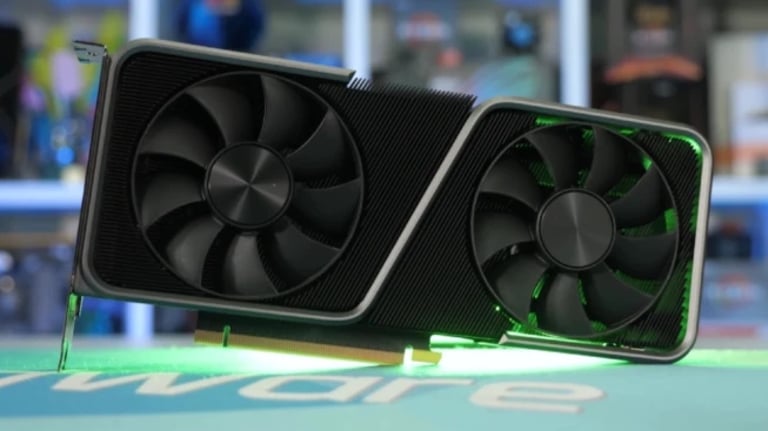


The industry is eyeing a delayed wave of next‑gen GPUs: AMD targets RDNA 5 around 2027, while Nvidia reportedly postpones the GeForce RTX 60 series to 2028, with RTX 50 Super possibly arriving in 2027 as a stopgap.
Nvidia will not ship a new gaming GPU architecture in 2026, breaking a 30‑year cadence of annual GeForce releases and signaling that memory shortages, not design delays, are driving the pause.
In line with the cadence shift, Nvidia’s consumer gaming lineup is on hold for 2026, leaving RTX 50 Super and RTX 60 timelines uncertain and likely pushed into 2027–2028.
The ongoing price crisis is driven largely by VRAM scarcity as Samsung, SK Hynix and Micron divert capacity to AI/HBM, pushing VRAM costs up and making up a large share of high-end GPU BOMs.
AI data center revenue now dwarfs gaming revenue for Nvidia, making memory allocation toward AI components more profitable and strategically sensible.
Microsoft’s Project Helix could boost console memory management and efficiency, potentially influencing PC requirements through better upscaling, ray tracing, and DirectX advancements.
Waiting for the next generation carries risk for gamers as memory remains expensive; 1080p VRAM needs are modest, 1440p around 12GB, and 4K/AI workloads benefit from 16GB+ VRAM.
The RTX 5090, once launched at $1,999, now commands prices well above $4,000 on major markets, reflecting a supply-demand imbalance driven by memory costs more than chip shortages.
Practical buying guidance suggests considering the AMD RX 9000 line for value with GDDR6, or last-generation cards like RTX 4070/7800 XT for lower memory competition; 8GB RTX 5060/5060 Ti near MSRP, and a 16GB VRAM RTX 5070 if possible.
Memory shortages are affecting broader gaming hardware, including consoles and potential mid-generation refreshes, due to competition for GDDR and DRAM among AI, gaming and handheld devices.
The used GPU market remains buoyant as buyers seek older, capable cards at higher resale values amid the lack of a compelling flagship launch to trigger price declines.
RTX 50 Super was intended to address VRAM shortages but would require constrained 3GB-per-chip GDDR7, making the refresh impractical under current memory conditions.
Summary based on 4 sources
Get a daily email with more Tech stories
Sources
Notebookcheck • Jul 8, 2026
Opportunity AMD will potentially fumble: Leaker confirms Nvidia GeForce RTX 60 release timeline
Tech Insider • Jul 12, 2026
Nvidia Skips 2026 Gaming GPUs: 30-Year Streak Ends
Tech Times • Jul 11, 2026
GPU Memory Crisis Prices RTX 5090 Above $4,300 as Nvidia Offers Paper Cards
NoobFeed • Jul 13, 2026
RTX 60 Delayed to 2028: Nvidia's Gaming GPUs Are No Longer the Priority