Devil May Cry: The Game That Redefined Capcom's Action-Adventure Genre
August 23, 2026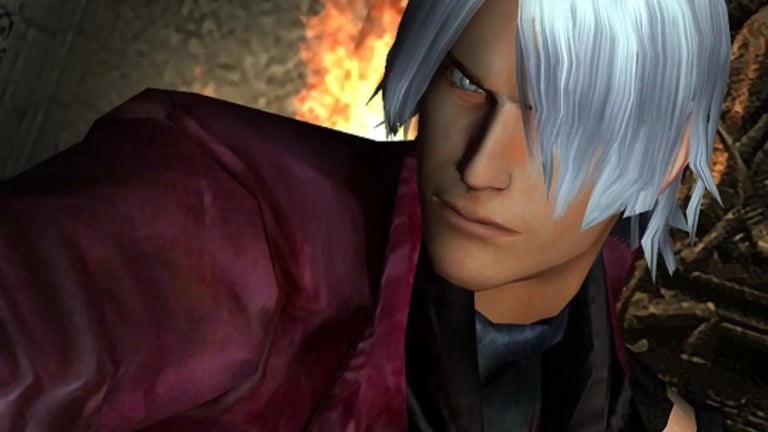

The game’s transformation into a Devil May Cry identity created a new genre direction, contrasting sharply with Resident Evil and revitalizing the 3D era’s hack-and-slash/spiritual successor model.
Devil May Cry helped redefine Capcom’s portfolio by providing a successful counterbalance to Resident Evil’s survival-horror focus and fueling the revival of action-adventure games in the 3D era.
Director Hideki Kamiya steered the project toward a stylized, action-forward approach with a dynamic camera, gothic influences, and a character who evolved from an early “Tony” prototype into Dante, drawing on Dante’s Inferno.
Capcom empowered the development team to pursue this unique direction, illustrating how creative experimentation can yield a lasting, distinctive franchise.
Producer Shinji Mikami redirected the project when it drifted from Resident Evil, carving a separate path that retained some action while embracing a more supernatural, demonic tone.
Devil May Cry achieved strong commercial and critical success, selling over 2 million copies in five years and spawning sequels that influenced games such as Bayonetta, Ninja Gaiden, and God of War.
Devil May Cry originated as a Resident Evil spin-off announced in 1999 and released on August 23, 2001, undergoing significant changes that shifted it away from survival-horror roots.
Summary based on 1 source
Get a daily email with more Gaming stories
Source

ComicBook.com • Aug 23, 2026
25 Years Ago, a Lost Resident Evil Game Gave Capcom a Very Different Type of Hit