From School Amiga Club to 70 Million Copies: How Worms Became a Gaming Phenomenon
November 6, 2026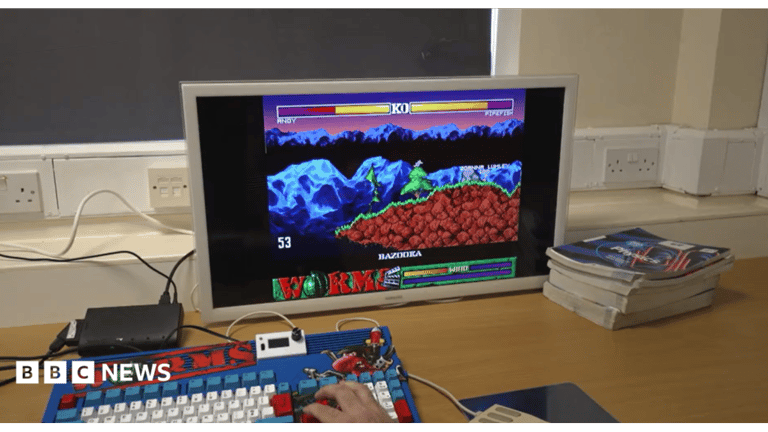

The project began in a school Amiga club and was originally called Total Wormage, catching the eye of a publisher after Davidson demonstrated it beyond school, which led to a contract with Team17 in West Yorkshire and a release in November 1995.
Worms has left a lasting cultural mark, including being one of six British games featured on Royal Mail stamps in January 2020.
Worms, a turn-based artillery shooter featuring invertebrate teams and creative weapons like dynamite, homing missiles, and exploding sheep, went on to sell up to 70 million copies across all formats and versions.
Davidson contributed voices for the worms, including the iconic 'Incoming' line popular in text messages, which underscores the game’s lasting footprint beyond its initial release.
Pakeman recalls recognizing the game’s addictive appeal even though he was unsure it would reach a publisher, and notes the creator’s eventual success in bringing Worms to market and the nostalgia it inspires.
The Amiga club scene, led by art teacher John Pakeman, helped nurture Worms from a classroom project into a phenomenon, with the game briefly banned at school for crowding in the art room.
Davidson’s mother reportedly realized the game’s significance when Worms appeared on a Royal Mail stamp, highlighting its broader cultural impact.
Andy Davidson, at 22, programmed an early version of Worms at Bournemouth School, evolving from a calculator game into a commercial title.
Founders including Andy Davidson eventually connected with a publisher, with Davidson confirming his role in securing a deal that led to Team17 publishing and releasing Worms in November 1995.
Summary based on 2 sources
Get a daily email with more Gaming stories
Sources
BBC News • Nov 6, 2026
How computer game Worms went from classroom to classic
BBC News • Nov 6, 2026
How computer game Worms went from classroom to classic