Breakthrough: Mitochondrial Transfer from Glial Cells May Revolutionize Diabetes Pain Management
January 7, 2026

Therapeutic implications include targeting TNT pathways or MYO10 to modulate SGC-to-neuron mitochondrial transfer for pain management and CIPN treatment.
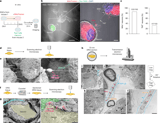
Dorsal root ganglion glial cells transfer mitochondria to neurons via tunneling nanotubes, and disrupting this transfer accelerates nerve degeneration and pain.
The transfer involves TNTs, endocytosis, and gap junctions; blocking agents like CytoB, Y-27632, Pitstop2, and carbenoxolone reduces transfer and TNT formation, revealing multiple coordinated mechanisms.
Human relevance is supported by observing TNT-like structures between human SGCs and neurons, and snRNA-seq shows SGCs as a major DRG cell type with conserved markers, underscoring translational potential.
A breakthrough shows that restoring energy flow to nerves through mitochondrial transfer from glial cells to sensory neurons can alleviate pain and potentially repair small nerve branches in diabetes models.
Lineage tracing supports unidirectional transfer from SGCs to neurons; neuron-to-SGC or macrophage-to-neuron transfers appear minimal under tested conditions.
This mitochondrial exchange aligns with broader evidence that intercellular mitochondrial transfer supports health in obesity, cancer, stroke, and chronic pain contexts.
In live mice, roughly 23% of sensory neurons harbor glial-derived mitochondria after labeling, with transfer dependent on endocytosis and TNTs.
Chemotherapy-induced neuropathy and stress reduce TNT-LS and impair SGC-to-neuron transfer, linking this mechanism to pathology and potential interventions.
Transferred mitochondria from SGCs help reduce neuronal hyperactivity and ROS after injury or paclitaxel exposure, contributing to neuronal protection and possibly influencing small fiber neuropathy.
Mitochondrial transfer is activity-dependent and increases with neuronal hyperactivity or nerve injury, suggesting a protective response in certain neuron subtypes.
MitoTag in vivo data show time-dependent transfer increasing by day 10, and pharmacological blockers reduce transfer, reinforcing TNT and endocytosis roles in living tissue.
Summary based on 7 sources
Get a daily email with more Science stories
Sources
Live Science • Jan 7, 2026
'Mitochondrial transfer' into nerves could relieve chronic pain, early study hints
Medical Xpress • Jan 7, 2026
Restoring mitochondria shows promise for treating chronic nerve pain
The Scientist Magazine • Jan 7, 2026
Donated Mitochondria Help Alleviate Nerve Damage and Pain in Mice