Study Reveals Hospital Antiseptics Foster Bacterial Tolerance, Urges Rethink on Cleaning Practices
April 13, 2026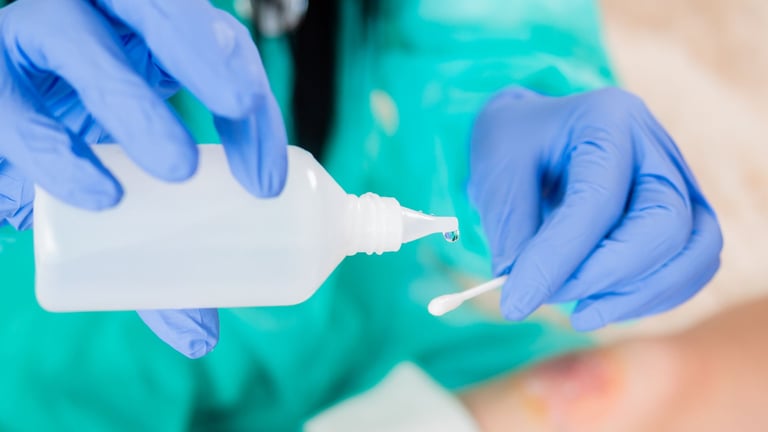

A new study in Environmental Science & Technology finds that residual chlorhexidine and similar antiseptics can linger on hospital surfaces for at least a day after cleaning, creating non-lethal exposures that select for tolerant bacteria.
Lab tests show chlorhexidine can remain on plastic, metal, and laminate surfaces after cleaning, forming microenvironments that promote tolerance and potential resistance.
Hospitals’ sinks act as hotspots for tolerant bacteria and can spread them via aerosols, with tolerant strains found on door sills indicating surface and airborne transfer.
In an Illinois ICU study, researchers collected 219 samples across six locations and isolated about 1,400 bacteria, with 36% displaying chlorhexidine tolerance.
The article notes that plain soap and water remain sufficient for many household tasks and cautions about potential consequences if current cleaning practices persist.
Some tolerant bacteria carry plasmids that can transfer tolerance to antibiotics, including carbapenems, implying antiseptic exposure could speed antibiotic resistance even without antibiotic use.
The findings prompt questions about reserving antiseptics for high-risk situations and call for more research across diverse settings, including homes and veterinary clinics.
Experts advocate antimicrobial stewardship and careful use of antiseptics, stressing that chlorhexidine works at standard concentrations but overuse or misuse in high-risk settings could pose risks.
Summary based on 1 source
Get a daily email with more Science stories
Source
Live Science • Apr 13, 2026
Antiseptic-tolerant germs spread through the air in hospitals, early study hints