Merz Pushes Stricter Refugee Controls After Aschaffenburg Attack, Sparks Political Controversy
January 23, 2025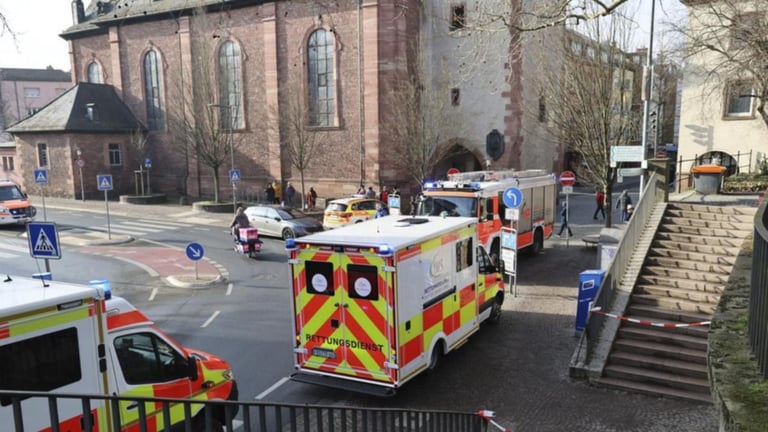

Authorities confirmed that the suspect, a 28-year-old Afghan man, was apprehended at the scene, and they stated that there are no other suspects or ongoing threats to public safety.
Responses from political leaders, including SPD chairman Lars Klingbeil, express alarm over Merz's approach, which they view as reckless and potentially dangerous.
Experts caution against linking mental illness with violence, emphasizing that not all individuals with mental health issues pose a threat, a sentiment echoed by Euphrosyne Gouzoulis-Mayfrank, president of the German Society for Psychiatry.
The suspect is expected to appear before a judge shortly, although his willingness to discuss the motives behind the attack remains uncertain.
Climate activist Luisa Neubauer condemned Merz's stance, urging civil society to protest against the rise of right-wing populism, with demonstrations planned at the Brandenburg Gate.
In the wake of a violent attack in Aschaffenburg that resulted in two fatalities, Friedrich Merz, the opposition leader from the Union party, is advocating for stricter border controls for refugees.
Merz's proposals, while unlikely to be enacted before the upcoming elections, reflect a growing alignment among conservatives with far-right positions, raising concerns among opposition parties.
Critics, including SPD Chairwoman Saskia Esken, warn that any collaboration with the far-right AfD on migration issues could jeopardize democratic safeguards.
The German political landscape complicates the implementation of drastic shifts in migration policy, as coalition-building remains essential for effective governance.
As the election date approaches, political parties are under pressure to address migration and internal security, which are pressing concerns for many German citizens.
Critics, including SPD parliamentary leader Rolf Mützenich, have condemned the political response to the tragedy as superficial, calling for more substantial support for the victims' families.
Summary based on 0 sources