Germany's Apartment Permits Plunge: Housing Crisis Deepens Amid Rising Costs and Regulations
February 18, 2025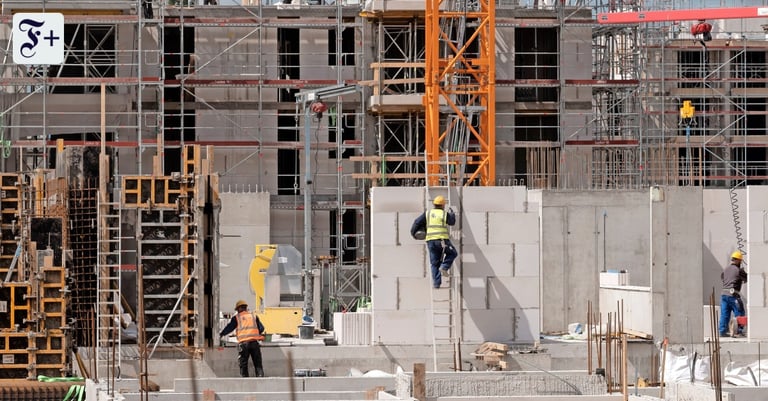

The housing crisis has escalated into a major social concern, exacerbated by uncontrolled immigration that has increased the population by millions.
Construction industry leaders express pessimism, attributing the decline to rising material and energy costs, as well as higher interest rates that make new construction economically unviable.
Looking ahead, forecasts suggest that building permits for 2025 may plummet to around 210,000, representing a 45% decrease from 2023.
In 2024, Germany experienced a significant decline in building permits for new apartments, dropping to 215,900, which is a 16.8% decrease from the previous year and the lowest level since 2010.
Since 2021, the number of approved apartments has more than halved, highlighting the severity of the housing shortage in the region.
These figures fall far short of the German government's ambitious target of 400,000 new housing units annually.
While the European Central Bank is shifting towards lowering interest rates, which may alleviate some financial pressures for builders, significant obstacles remain.
Following the federal election, the new government formed a coalition prioritizing construction and housing, yet practical solutions are urgently needed to tackle the crisis.
Ralph Henger from the Institute of German Economy described the current situation as a 'valley of tears,' emphasizing the significant gap between necessary construction and actual output.
Despite the ongoing housing shortages in urban areas, only 294,400 housing units were completed in 2023, indicating a substantial shortfall in new construction.
The government's stringent climate neutrality standards for buildings have led to high costs and ineffective support programs, failing to address the pressing housing needs.
In response to the low permit numbers, construction and real estate associations are advocating for simpler building regulations and reliable funding.
Summary based on 8 sources