Germany's Bürgergeld System Faces Overhaul: Stricter Penalties and Focus on Job Placement Proposed
March 17, 2025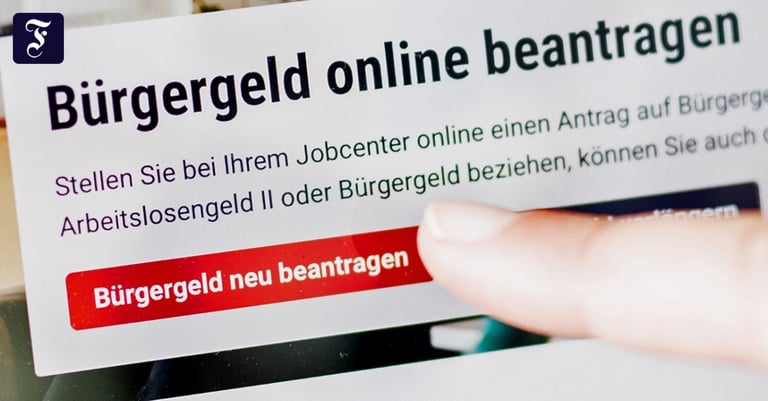

Additionally, the study calls for a focus on individualized support for job seekers, including coaching and enhanced qualification opportunities for younger individuals.
Tobias Ortmann from Bertelsmann suggests that activating beneficiaries immediately upon application could prevent prolonged unemployment and discourage undeclared work.
In coalition talks, the Union aims to prioritize job placement over further education and training, reflecting a shift in strategy to enhance labor market integration.
Job centers managing the B rgergeld had a budget of approximately 10.7 billion euros in 2024, with a concerning 70% of funds directed towards administrative costs rather than job support.
Current policies discourage additional work, as increasing gross income leads to reductions in B rgergeld, housing benefits, and child allowances, resulting in minimal net gains for recipients.
A recent study by the Bertelsmann Stiftung reveals a 6% decline in successful job placements since the introduction of B rgergeld, highlighting the need for more effective strategies.
Roman Wink, a labor market expert at Bertelsmann, emphasizes the necessity for clear objectives and strict guidelines on fund allocation between administration and job promotion in the upcoming reforms.
Currently, around 5.4 million people in Germany receive B rgergeld, with 2.7 million unable to work due to various reasons, and 1.9 million officially unemployed.
The Bertelsmann Stiftung advocates for moderate but timely sanctions for missed appointments and declined job offers, aiming to encourage greater engagement with the labor market.
The study recommends implementing earlier and moderate sanctions for recipients who fail to meet their obligations, such as missing appointments or declining job offers.
The B rgergeld, which replaced the Hartz IV system at the beginning of 2023, is set for radical reforms under likely future Chancellor Friedrich Merz, aiming to create a basic security system for job seekers.
As part of coalition discussions, the Union and SPD parties have agreed to reform the B rgergeld, focusing on stricter penalties for individuals who refuse reasonable job offers.
Summary based on 7 sources