Julia Klöckner's Controversial Nomination as Bundestagspräsidentin Sparks Debate Amid German Government Transition
March 25, 2025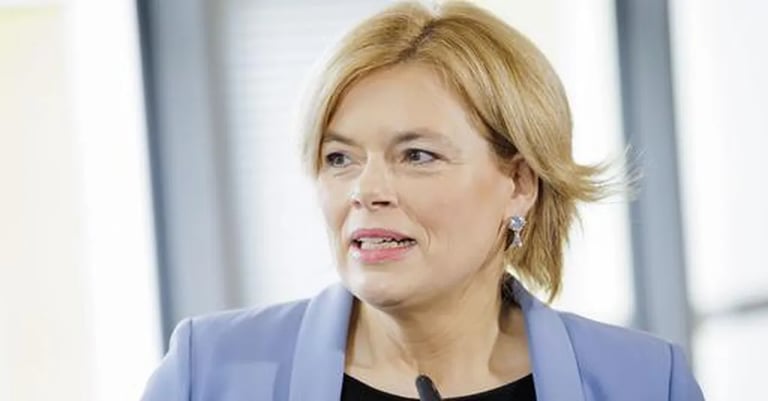

On March 25, 2025, Olaf Scholz and his 14 ministers received their dismissal certificates from President Frank-Walter Steinmeier, marking the end of the current German government.
The new Bundestag will elect its parliamentary presidency during the constitutive session, with CDU member Julia Klöckner nominated for the position of Bundestagspräsidentin.
Klöckner has faced criticism for her close ties to the food industry, particularly for a promotional video with Nestlé during her tenure as Federal Minister of Agriculture, raising concerns about potential conflicts of interest.
As the CDU's treasurer, Klöckner will oversee compliance with party funding rules, which raises further concerns about her dual role in managing financial oversight during the upcoming election.
There are significant reservations within the CDU regarding Klöckner's suitability for the presidency, with some questioning her ability to act as a bipartisan figure.
Klöckner also expressed her dedication to combating anti-Semitism and promoting diverse representation within the Bundestag.
In her acceptance speech, Klöckner emphasized the importance of mutual respect in parliamentary debates and her commitment to uphold a non-partisan approach as speaker.
Coalition negotiations are underway, with Union and SPD leaders managing expectations for a quick agreement on contentious issues like migration and taxation.
Gysi proposed the establishment of cross-party committees to tackle significant political issues, including pension security and healthcare financing.
The response to the Russian invasion of Ukraine was highlighted as a major achievement of the outgoing government, improving Germany's defense capabilities.
Critics argue that the Bundestag requires unifying leadership rather than divisive figures, as expressed by former Green Party chair Ricarda Lang.
Klöckner is recognized for her communication style and ability to navigate political challenges, but her controversial history raises questions about her leadership.
Summary based on 48 sources