Germany's €631 Billion Investment Pledge: Boost or Bust for Economic Revival?
July 21, 2025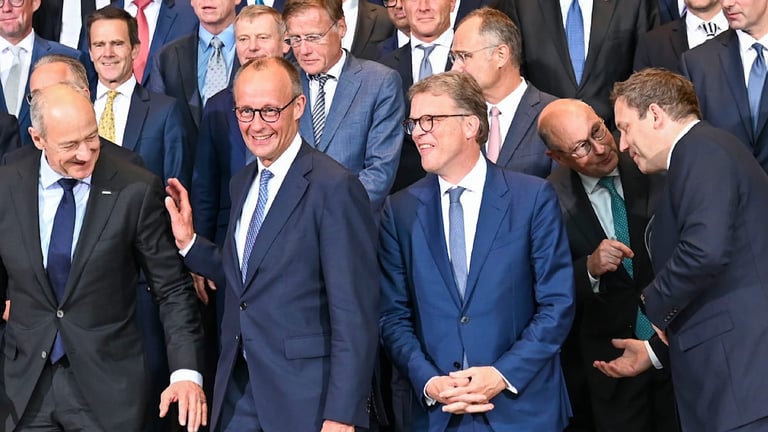

Germany's 'Made for Germany' initiative has brought together 61 companies, including major firms like Axel Springer, Siemens, and Deutsche Bank, pledging to invest 631 billion euros by 2028 to stimulate economic growth.
German Chancellor Friedrich Merz highlighted that this significant investment reflects a positive shift in sentiment, positioning Germany once again as an attractive investment destination.
The government has introduced a 500 billion euro special fund aimed at infrastructure and climate projects, but much of the necessary investment is expected to come from the private sector.
While optimism exists among business leaders, some, like Vanessa Bachofer, CEO of Mack and Schneider, warn that concrete signs of economic recovery are still lacking and caution against premature optimism.
Economist Clemens Fuest warned that without structural reforms, the country risks only a temporary boost, emphasizing the need for long-term solutions.
Key reform areas identified include energy prices, labor market flexibility, and reducing bureaucracy, which are essential for improving economic sentiment.
Economists have mixed reactions to the investment pledge, with some viewing it as a positive signal, while others see it as potentially superficial or promotional.
Past government failures in delivering promised reforms and tax relief have cast doubt on the effectiveness of current initiatives, including the 'Made for Germany' campaign.
Critics argue that the summit mainly benefits large corporations and neglects small and medium-sized enterprises (SMEs), which are vital to the German economy.
Economic experts stress that genuine recovery depends on involving SMEs and reducing bureaucratic hurdles, rather than just public relations efforts.
Skepticism persists about whether the announced investments are new or merely ongoing projects, raising questions about the initiative's real impact.
The summit involved around 30 companies, including over a dozen DAX-listed firms, with government officials like Finance Minister Lars Klingbeil and Economic Minister Katherina Reiche participating, signaling high-level commitment.
Summary based on 22 sources
Get a daily email with more World News stories
Sources
Yahoo Finance • Jul 21, 2025
Companies pledge to invest over $700 billion in Germany over the next 3 years
Deutsche Welle • Jul 21, 2025
Germany updates: Merz seeks to win over investors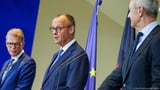
Deutsche Welle • Jul 21, 2025
Germany updates: Companies pledge €631 billion investment