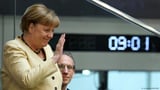
Merkel Reflects on a Decade of Refugee Integration: Progress Made, Challenges Persist
August 25, 2025

Ten years after her famous 'Wir schaffen das' statement, Angela Merkel reflects on Germany's progress in integrating refugees, acknowledging significant achievements but emphasizing that work remains.
Merkel highlights that refugee integration has improved, with many refugees now employed and earning around 70% of the median income, though gender disparities persist, especially among women.
She also reaffirmed her non-negotiable stance against using force at borders, emphasizing her moral and humanitarian principles.
Bureaucratic hurdles, such as lengthy asylum procedures and restrictions on family reunification, continue to slow down the integration process.
Regions with higher levels of xenophobia tend to have poorer integration outcomes, underscoring the importance of social acceptance for successful employment.
Many refugees fled due to war and displacement, facing language barriers, lack of social networks, and non-transferable qualifications, which hinder their integration.
Overall, less than half of refugees have found employment, indicating ongoing challenges, though some have successfully integrated into the labor market.
More than half of employed refugees work in skilled or higher-level positions, often exceeding their formal qualifications, showing notable progress.
Government initiatives like accelerated asylum procedures and targeted integration programs have contributed to these positive developments.
Regional disparities are evident, with economically strong areas showing higher employment and income levels among refugees, while weaker regions lag behind.
Experts warn that those who do not integrate after ten years become a burden on social systems, emphasizing the importance of effective integration policies.
Integration efforts have improved since 2015, but refugee women still face lower employment rates due to childcare and educational gaps.
Summary based on 18 sources