SPD Leader Resigns After Historic Election Defeat in Baden-Württemberg, Party Plans Revamp
March 8, 2026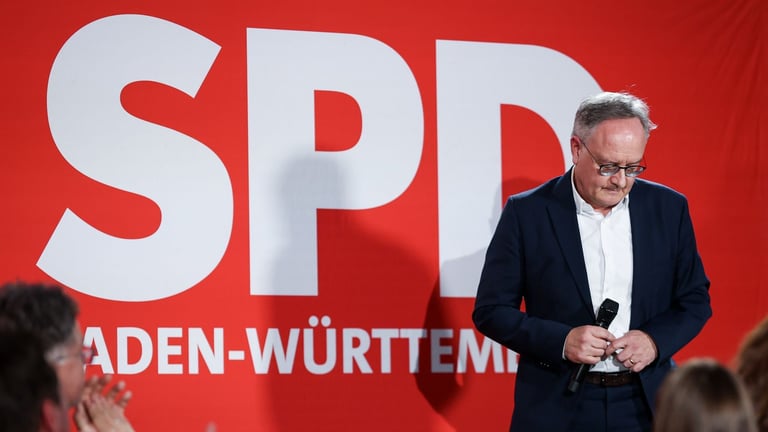

SPD leadership warned that the campaign was seen as a two-man contest for minister-president rather than a clear case for their platform, hindering the party’s message.
Post-closure polls indicated a Greens lead over CDU, with the SPD significantly trailing.
Voter turnout initially stood at about 70% according to early update figures, with ongoing updates expected.
SPD leadership stressed pivoting to labor market policy and economic-social topics in future campaigns to regain momentum, a view echoed by party officials.
In Baden-Württemberg, the SPD crashed to about 5.4-5.5% in the state election, their worst result in the western state, triggering leader Andreas Stoch to announce his resignation after the initial projections.
The drop marks a steep fall from historic highs above 25% to single digits, with the party positioning for a renewal as Stoch indicates he will arrange a new parliamentary faction leadership to facilitate rebuilding.
Analysts note the result reflects a two-way Greens-CDU duel that overshadowed the SPD’s industrial aims and energy relief messaging, despite pledges to protect jobs and lower energy prices.
Observers point to broader CDU-Green dynamics and signal upcoming reviews and recalibration of SPD policy and strategy ahead of future campaigns.
The campaign drew controversy over a TV moment where Stoch commented during a charity visit about a deli purchase, drawing criticism and attention amid the election.
Economy and auto industry concerns dominated Baden-Württemberg’s race, elevating economic policy as the primary battleground while education remained a secondary issue.
The article notes that details on possible successors or timing for leadership changes were not disclosed and may appear in related reports.
The election is framed as a barometer for Germany’s 2026 political landscape, marking the start of a year dubbed the 2026 “super election year.”
Summary based on 8 sources