Alexander Kluge: Pioneering Force in New German Cinema and Storytelling Innovator Passes Away
March 26, 2026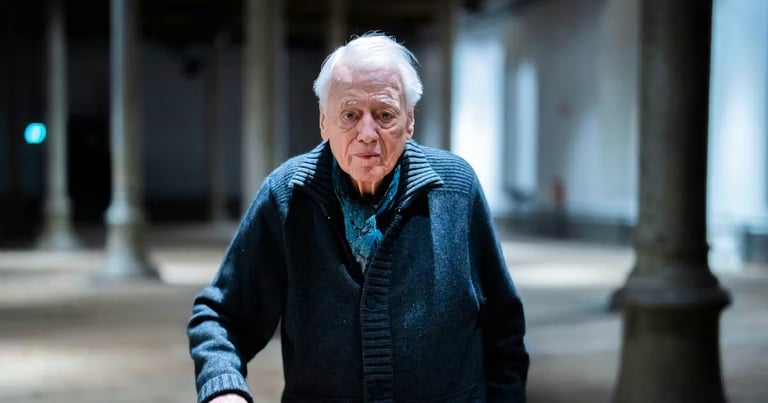


As a scholar, he pursued an unconventional, autonomous method that invites public participation through invention and communication.
Kluge was a leading figure in postwar German cinema, a member of Gruppe 47, an advocate of authorial cinema, and the director of notable works such as Abschied von gestern and Die Artisten in der Zirkuskuppel: ratlos.
He helped organize and shape the New German Cinema movement alongside Fassbinder and Herzog and was tied to the Frankfurt School’s neo-Marxist cultural criticism.
In 1962, he signed the Oberhausen Manifesto, urging the German film industry to move away from melodrama and Heimatfilme toward more substantive cinema.
Kluge blended truth-finding with a stance that did not sharply separate facts from invention, often merging what was with what could be.
He engaged in public discourse on politics and culture, championing bottom-up storytelling and voicing viewpoints on issues like sanctions on Russia, weapons to Ukraine, and the withdrawal of a Kamila Shamsie prize in Dortmund.
In 2018, he collaborated with Ben Lerner on The Snows of Venice, describing language work as poetic archaeology and “diamond polishing” of dialogue.
Kluge’s career spans film, literature, and philosophy, guided by the belief that storytelling should reveal both reality and imagination without letting either dominate.
The obituary portrays him as a storyteller who confronted war and humanity, and as a thinker who dialogued with peers like Heiner Müller on truth, public life, and democracy.
As a writer, he gained renown for short stories and montage-based works that fused fact and invention; in 1993 he emphasized his identity as primarily a book author.
The piece notes that Kluge was not a traditional philosopher or historian, but created literary works that probe world instabilities and document the borders between science, literature, and inquiry.
Biographical anecdotes mention surviving a 13-year-old bombing in Halberstadt and collaborating with painter Gerhard Richter, contributing to Richter’s photographic bodies.
Summary based on 14 sources
Get a daily email with more World News stories
Sources

The Guardian • Mar 26, 2026
Alexander Kluge, author and key film-maker in the New German Cinema movement, dies aged 94
The Times Of India • Mar 27, 2026
Alexander Kluge, pioneer filmmaker of new German cinema, passes away at 94
blue News • Mar 26, 2026
German film pioneer Alexander Kluge is dead