Penguin Random House Sues OpenAI Over Alleged Copyright Infringement by ChatGPT
March 31, 2026


Penguin Random House Verlagsgruppe has filed a lawsuit in Munich against OpenAI, alleging that ChatGPT copied and reproduced content from Ingo Siegner’s Coconut the Little Dragon children's book series.
The claims specify that ChatGPT produced illustrations, manuscripts, cover art, blurbs, and even posting instructions for self-publishing that closely resemble the original Siegner works.
Penguin Random House argues that the ease of reproducing Siegner’s works with ChatGPT demonstrates unlawful use of the illustrator’s material to train the AI system.
OpenAI has not immediately commented on the lawsuit.
While OpenAI has not yet responded, the publisher emphasized protecting intellectual property and remaining open to AI opportunities.
There is cautious optimism that legal avenues can curb indiscriminate data harvesting by AI firms and secure fair compensation for creators.
The filing was welcomed by the German Booksellers Association, which calls for judicial clarification on where AI-derived content crosses from permissible to prohibited.
The Munich case reflects a broader European and German landscape over AI training data and copyright.
The case could set a precedent for publishers on IP protection for AI-generated content.
Carina Mathern of Penguin Random House Verlagsgruppe underscored protecting authors’ rights while acknowledging AI opportunities.
Penguin’s representative stressed that human creativity remains central even as they explore AI applications.
The lawsuit seeks transparency and safeguards to prevent using human author names for AI-generated content, aiming to protect readers from misattribution.
Summary based on 7 sources
Get a daily email with more World News stories
Sources

Economic Times • Mar 31, 2026
German children's book publisher sues OpenAI over copyright
Economic Times • Mar 31, 2026
German children's book publisher sues OpenAI over copyright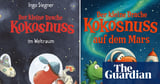
The Guardian • Mar 31, 2026
Penguin to sue OpenAI over ChatGPT version of German children’s book
The Star • Mar 31, 2026
German children's book publisher sues OpenAI over copyright