EU Approves Deregulation of Genomic Techniques in Plant Breeding Amid Mixed Reactions
June 17, 2026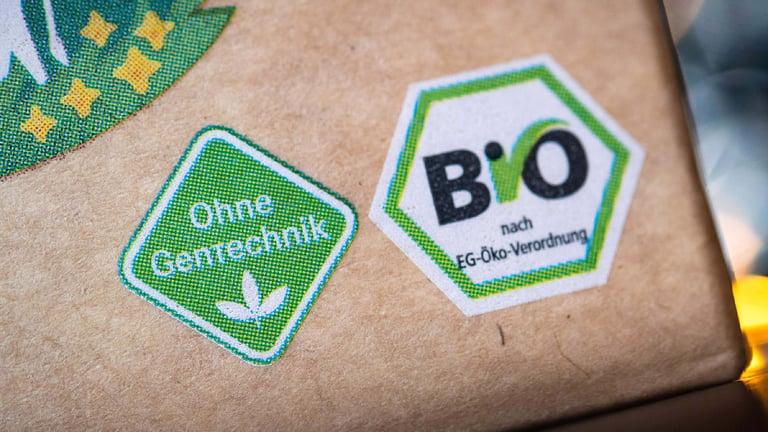


The EU is finalizing a deregulation package for new genomic techniques (NGT) in plant breeding, after lengthy debates among institutions, with an expected confirmation from Parliament committees.
Under the new rules, NGT-1 edited plants are treated like conventional crops and foods derived from them don’t require labeling, except for the seed; NGT-2 edits are regulated like traditional GMOs with labeling requirements.
A key flashpoint is the patent issue, as farmers and groups push to curb monopolies by dominant international players and to ensure seed traceability and avoid excessive dependence on large firms.
Supporters say the reforms could bring higher yields, climate resilience, reduced water use, and potentially more nutritious crops, while critics warn of reduced consumer choice and increased corporate consolidation affecting biodiversity and farmers.
Public reaction is mixed: optimism about climate resilience and efficiency coexists with fears of ecological impact and diminished consumer access if labeling is weakened.
Proponents also argue benefits include non-browning bananas and mushrooms and other improvements outside the EU, aiming to boost European competitiveness.
The article cites AFP, dpa, and ARD correspondent coverage as sources.
Parliament approved allowing certain modern genomic techniques to produce food that can be sold without specific labeling in the EU, while stricter rules apply to larger genetic changes (NGT2) and member states can ban cultivation.
Germany’s stance is divided; environmental ministers fear consumer transparency losses, while business ministries back loosening rules, with abstention in a key April vote.
Amendments reopening negotiations were rejected, finalizing the Parliament’s stance in Strasbourg and aligning with industry groups seeking competitiveness against the US and China.
Parliamentary leaders describe the move as historic for European farmers, food security, and innovation, emphasizing safety and science-based breeding tools.
Spokesperson Jessica Polfjärd framed the deal as a historic win for European farmers and warned of strengthened food safety and innovation, with a press briefing planned.
Summary based on 16 sources
Get a daily email with more World News stories
Sources

Deutsche Welle • Jun 16, 2026
CRISPR gene-editing for crops: Precision tool or new risk?
Europaparlamentet • Jun 17, 2026
New genomic techniques for plants to boost innovation in sustainable agriculture | Nyheter | Europaparlamentet
European Parliament • Jun 17, 2026
New genomic techniques for plants to boost innovation in sustainable agriculture | News | European Parliament