Germany Debates Abolishing 'Rente mit 63': Transition Period Sparks Policy Clash
July 6, 2026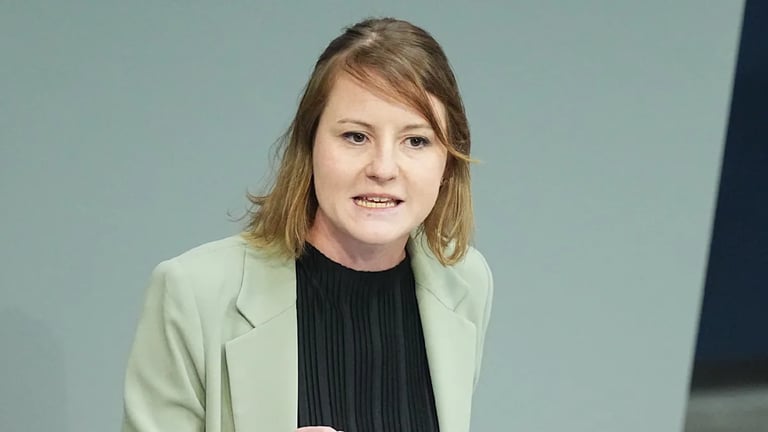

Germany is moving to abolish the early retirement option known as Rente mit 63, with the coalition broadly agreeing to reform but debating how long a transition period should last.
SPD MPs Annika Klose and Bernd Rützel advocate for a multi-year transition because people have based plans on the existing rule and some contracts extend into several years; Klose suggests five years, Rützel contemplates up to ten.
Economist Martin Werding argues for a shorter transition, proposing one to three years due to limited lead time before the policy change.
The broader political stance emphasizes seriousness about implementing the reform and not delaying it.
The discussion centers on balancing constitutional protections and fairness for those who planned around the current option, amid ongoing legislative work and diverse stakeholder views.
The coalition aims to implement the reform package by the end of 2026, including the transition period debate and the recommendations of the Rentenkommission.
Time pressure is a factor as the reform package covers retirement age and related policies and must be enacted within 2026.
The policy shift ties retirement age adjustments to life expectancy and phasing out Rente mit 63, with ongoing political negotiation.
Constanze Janda, chair of the Pension Commission, supports a transition period for the reform.
Constanze Janda notes a constitutional requirement for a transition period but does not specify its length, citing precedent from a 2004 ruling that allowed a five-year transition for a prior reform.
The Rentenkommission recommended abolishing the tax-free early retirement after 45 years without specifying deadlines, citing constitutional protections and referencing the 2004 ruling as a benchmark.
Rente mit 63 allows retirement after 45 contribution years without deductions and is currently possible around age 64.5, with life expectancy changes likely raising that age.
Summary based on 4 sources