Record-Low Rhine Water Levels Threaten German Industry as Shipping Costs Soar
July 28, 2026

Historically, droughts on the Rhine have caused supply bottlenecks and production problems, with a similar pattern evident in the summer of 2022.
Rising costs threaten bulk-dependent industries such as steel, chemicals, and animal feed, with industry groups warning of broader economic impacts.
Like NRW’s IHK notes, the unusual timing of this low-water period could curb economic growth, potentially jeopardizing the year’s growth forecast.
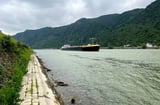
Germany’s Rhine is at record-low water levels due to a summer heatwave and insufficient rainfall, drastically reducing cargo capacity and driving up shipping costs for industry.
Ships can only take about a fifth of their usual load, slowing supply chains and straining production.
The drought is expected to persist into August with little chance of a rapid recovery, putting ongoing pressure on transport performance and the broader economy.
Critical low readings at Kaub and other gauges signal ongoing navigational constraints, with forecasts suggesting levels may remain dangerously low this week.
Rhine navigation remains essential for raw materials like grain, minerals, ores, coal and oil products, and ongoing droughts threaten supply chains and throughput as in past disruptions.
Inland navigation is constrained as ships operate at partial loads and must run more trips, elevating transport costs and stressing a weak manufacturing sector.
Some operators may suspend services to avoid losses, potentially shifting freight from water to road transport; tanker routes have seen freight costs surge dramatically.
Experts do not expect a quick rebound in early August, prolonging shipping and economic strain along Europe’s busiest inland waterway.
Operations continue but with inefficiencies, and some shipowners may halt activity if loads become unprofitable or risk vessel damage, compounding bottlenecks.
Summary based on 5 sources