Germany Considers Fuel Tax Cut and Price Cap Amid Criticism for Broader Relief Measures
September 18, 2026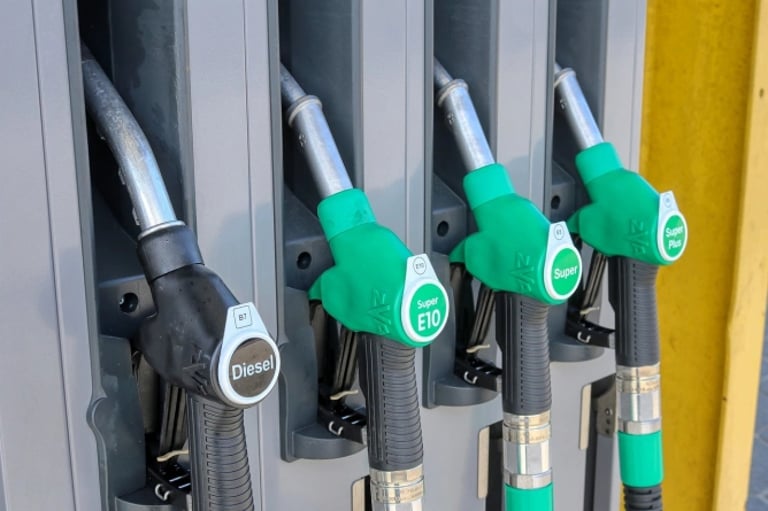

The German government is proposing a two-pronged relief for high fuel prices: a 14-cent per liter cut in the energy tax on fuels (17 cents including VAT) and the introduction of a fuel price cap to be debated with the mineral oil industry, aiming for a rollout by January 1, 2027, with possible interim effects from October 1, 2026.
The relief package totals 2.5 billion euros, with half of the costs shouldered by the states.
There is skepticism about how much of the relief will reach consumers, as past analyses show only partial transmission to prices, particularly for diesel.
Key voices, including consumer protection advocate Ramona Pop, SoVD’s Michaela Engelmeier, Ines Schwerdtner of Die Linke, and Greens representatives, critique the policy’s effectiveness and call for structural solutions.
Public reaction is mixed: some blame borders or market dynamics, while others call for differentiated approaches and acknowledge ongoing economic pressure on middle-income households.
Politically, there are risks and criticisms from economic liberals about crafting a plan that is legally, socially, and politically sustainable.
Overall reception is divided: the government argues the measures provide broad relief, while critics push for more targeted, inflation-ready, consumption-focused options.
Some advocate direct payments to low-income households as crisis aid, while recognizing such targeted support would reach only a small voter segment and may be politically constrained.
Neubaur warns against broad, indiscriminate relief, urging targeted, efficient measures rather than a “watering can” approach by the state.
Treasurer Jim Chalmers rejects rolling back the excise cut and criticizes the Coalition’s plan as unfunded and politically motivated, stressing ongoing support through other measures.
Opposition figures, consumer groups, and social actors argue the policy benefits oil companies more than consumers, urging direct payments or energy rebates instead of a broad tax cut and price cap.
Consumer protection chief Ramona Pop labels the plan a “watering can” that is expensive and short-sighted, advocating relief targeted to lower and middle-income households before winter and a push to reduce fossil fuel dependence.
Summary based on 66 sources
Get a daily email with more World News stories
Sources

Gulf News: Latest UAE news, Dubai news, Business, travel news, Dubai Gold rate, prayer time, cinema • Sep 18, 2026
German government agrees fuel tax cut: sources
news.com.au — Australia’s leading news site for latest headlines • Sep 19, 2026
How fuel ‘shield’ could save motorists 27c
sursa imagine • Sep 19, 2026
Germany Cuts Fuel Taxes by 17 Cents per Liter
FRANCE 24 • Sep 19, 2026
Germany cuts energy tax to lower soaring petrol prices