Deutsche Bank Leak Exposes Trump Tax Records and Nearly $600 Million in Epstein-Linked Transactions
November 17, 2026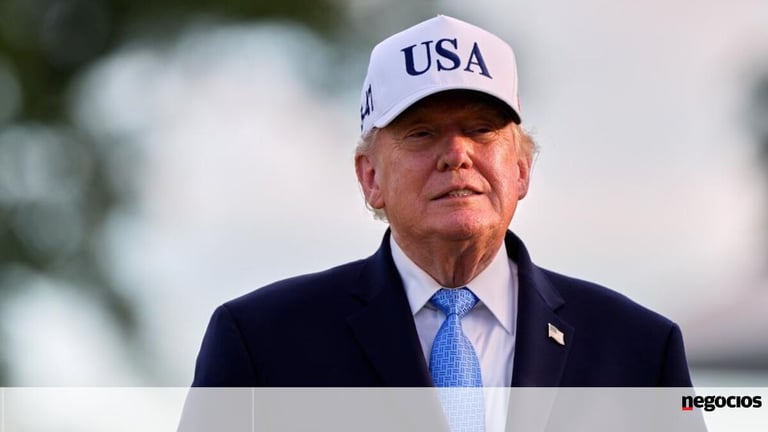

An international investigation of more than 15 million Deutsche Bank documents found that an employee accidentally sent an external U.S. tax adviser a download link in 2017 to tax records covering 1,586 bank accounts, apparently including three accounts belonging to Donald Trump.
The investigation, described as the largest known banking data leak, was conducted by SPIEGEL, manager magazin, ZDF and more than 50 other media outlets.
More than 200 journalists from 56 news organizations worked on the reporting after informants supplied files to Josy Joseph and Khadija Sharife, who shared them with outlets including The New York Times, Financial Times, Le Monde and Der Spiegel.
Deutsche Bank considered whether to notify affected customers but decided against it; the disclosure was especially sensitive because Trump had resisted releasing his tax returns at the time.
Asked about the disclosure in Manila on November 17, 2026, Trump said, “I pay a lot of taxes,” and called the bank’s release of the information illegal.
The documents show that Deutsche Bank increasingly questioned its long-running relationship with Trump after his 2016 election victory, following loans it arranged for his real-estate projects in Florida, Chicago and Washington between 2012 and 2014.
The final one of three remaining Deutsche Bank loans to Trump was removed from the land register in March 2024.
The investigation also found that Deutsche Bank repeatedly overrode internal warnings to preserve problematic business or attract clients, including oligarchs, fraudsters and sexual abusers.
The reporting also identified nearly $600 million in suspicious transactions linked to Jeffrey Epstein and connections to companies with Russian oligarchs among their investors.
Deutsche Bank did not dispute the documents’ authenticity and said many of the events happened years ago and had been addressed with regulators.
Deutsche Bank shares fell at least 6% during the day, while German Finance Minister Lars Klingbeil demanded explanations and full transparency about how the bank addressed weaknesses in its internal controls and would prevent them from recurring.
Summary based on 4 sources