U.S. Aims to Rebalance China Trade, Focus on Stability and Strategic Goods
December 5, 2025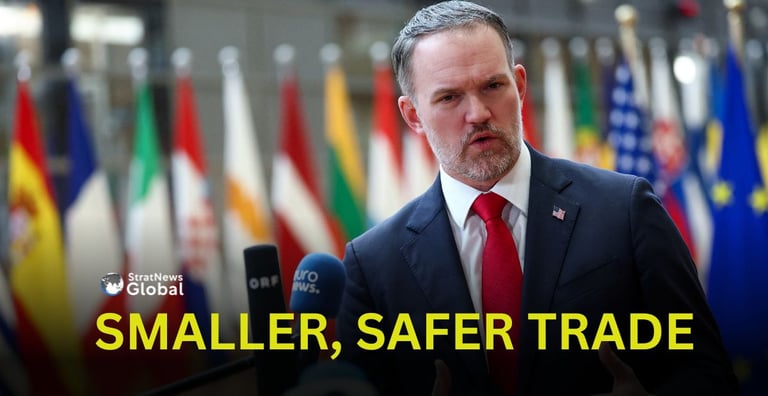

The U.S. trade posture toward China should aim for greater balance and possibly a smaller footprint, focusing on non-sensitive goods and seeking about a 25% reduction in goods trade as a constructive direction.
Strategic levers in the U.S.–China relationship include software and semiconductors, with allies showing interest in coordinated action and a push to boost U.S. production of strategic, domestic-critical minerals.
Progress is linked to Trump-era policies, and the current relationship is viewed as more stable than at the start of the previous period, with no appetite for a full-blown economic conflict.
An IndexBox market analysis highlights the Chinese soybeans market, offering data coverage, trends, and strategic insights for exporters, manufacturers, and investors.
The report was filed from Washington by Andrea Shalal, with editors Chris Reese and Matthew Lewis.
The piece blends policy commentary with promotional material for the IndexBox report, without presenting new data beyond quoted material.
Treasury Secretary Scott Bessent indicated China is close to meeting commitments under the U.S.–China trade deal, including a 12 million metric-ton soybean purchase slated for completion by early 2026.
Greer notes daily monitoring of China ties and emphasizes maintaining stability in an evolving relationship.
The broader context is a push for a balanced, stable, and potentially smaller economic footprint with China while preparing for strategic competition and resilient domestic industries.
The report frames U.S. policy as reducing dependence on China and boosting domestic production of strategic goods, while pursuing a stable, multilateral approach with allies.
Summary based on 8 sources
Get a daily email with more Global Economy stories
Sources

Yahoo Finance • Dec 4, 2025
US trade with China probably needs to be smaller, USTR's Greer says
Investing.com • Dec 4, 2025
US trade with China probably needs to be smaller, USTR’s Greer says
Economic Times • Dec 5, 2025
US trade with China probably needs to be smaller, USTR's Greer says
Yahoo Finance Canada • Dec 4, 2025
US trade with China probably needs to be smaller, USTR's Greer says