Global Growth Downgrade: Iran Conflict Fuels Inflation, Emerging Economies Face Crisis
April 13, 2026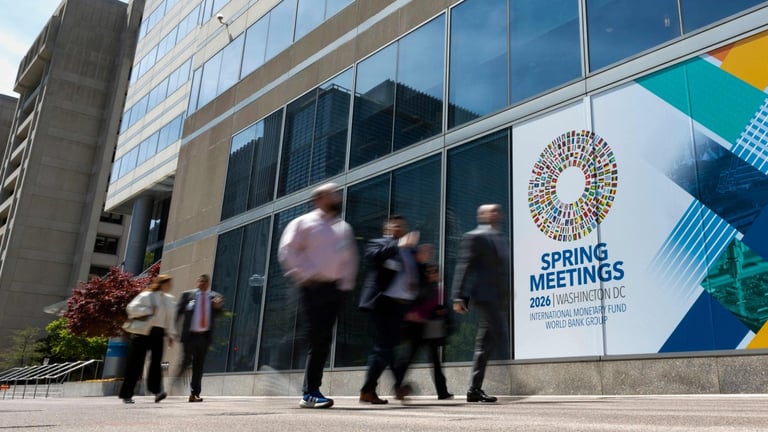

Analysts say targeted, temporary policy measures are preferable to broad moves to tame inflation, and credible leadership plus reform plans are essential to managing the crisis.
Emergency financing needs are estimated at $20–50 billion in the near term for low-income, energy-importing countries, and up to $70 billion over six months through crisis instruments, with the World Bank able to mobilize roughly $25 billion soon.
Iran-Israel-U.S. tensions, weekend talks, and the blocking of Iranian port traffic are fueling energy price spikes and disrupting global supply chains, including routes like the Strait of Hormuz.
Türkiye’s Treasury and Finance Minister Mehmet Şimşek will join IMF-World Bank spring meetings in Washington via New York, meeting with global investors and institutions.
Global growth forecasts have been downgraded and inflation projections raised as the Iran war weighs on markets, with emerging and developing economies bearing the brunt; EMDE growth for 2026 is seen at about 3.65% baseline, potentially slipping to 2.6% if the conflict continues.
The geopolitical backdrop includes the U.S. leading the G-20 while excluding South Africa, complicating coordinated responses, and ongoing U.S.-China tensions hindering global alignment.
Experts urge IMF support and debt restructuring for vulnerable nations, linking new lending to credible debt-reduction plans while balancing inflation, growth, and job creation for developing economies’ 2035 outlook.
Forecasts warn that higher energy prices and ongoing disruptions could keep inflation elevated in EMDEs, with baseline inflation around 4.9% in 2026 and potential rises to about 6.7% in adverse scenarios.
Summary based on 1 source
Get a daily email with more Global Economy stories
Source

Daily Sabah • Apr 13, 2026
Türkiye's Şimşek joins global finance chiefs' talks amid Mideast shock