OECD Report: China's Industry Subsidies Outstrip Global Peers, Stir EU Trade Tensions
June 1, 2026


Beijing denies unfair subsidies while expanding industrial policy and the 15th five-year plan to boost self-reliance in advanced technologies such as robotics and AI.
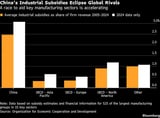
The OECD reports that Chinese industrial firms have received substantially more government subsidies over the past two decades than OECD and global peers, with subsidies averaging three to eight times higher relative to revenue between 2005 and 2024.
Prominent subsidized sectors include photovoltaic (PV) production, semiconductors, aluminum and steel, and shipbuilding, contributing to broad-based market distortions.
Global subsidies to the 15 studied sectors peaked in 2023-24 at about 1.3% of company turnover in 2024—the highest since the 2008 financial crisis—suggesting a structural rise in support rather than a crisis-driven spike.
EU discussions on China relations are tense, with warnings that current trade and investment ties are unsustainable and potential countermeasures being considered if China expands protectionist steps.
The report situates findings within broader international debates, referencing Reuters photography and ongoing discussions among OECD members, China, and others.
The analysis argues for coordinated international policy action to curb distortions and bolster resilience and competitiveness without overpaying for subsidies.
Findings help explain ongoing trade frictions and tariff tensions, including concerns about an unlevel playing field in sectors such as autos.
The EU regards certain Chinese subsidies as unfair trade practices and has activated the Foreign Subsidies Regulation to scrutinize foreign state-supported entities in mergers or public procurement.
EU authorities are examining subsidies on a case-by-case basis and have been utilizing the Foreign Subsidies Regulation since 2022 to monitor foreign state-backed entities.
Policy suggestions include pushing for fairer global trade rules through institutions like the IMF and G7, and coordinating EU actions to address currency undervaluation and Chinese trade practices.
Germany-specific research warns that China’s subsidies threaten core industries, raising the risk of deindustrialization without stronger protections.
Summary based on 18 sources
Get a daily email with more World News stories
Sources
Yahoo Finance • Jun 1, 2026
China Leads Economic Shift to Industrial ‘Doping,’ OECD Says
Yahoo Finance • Jun 1, 2026
Global subsidies rebound, especially in China, OECD says
Yahoo Finance UK • Jun 1, 2026
Huge state subsidies give China unfair edge over foreign rivals: OECD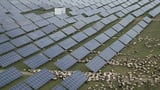
euronews • Jun 1, 2026
China's state subsidies up to eight times more than OECD's, report says