Bangladesh Garment Workers Demand Higher Wages as Protests Shut Hundreds of Factories
November 17, 2026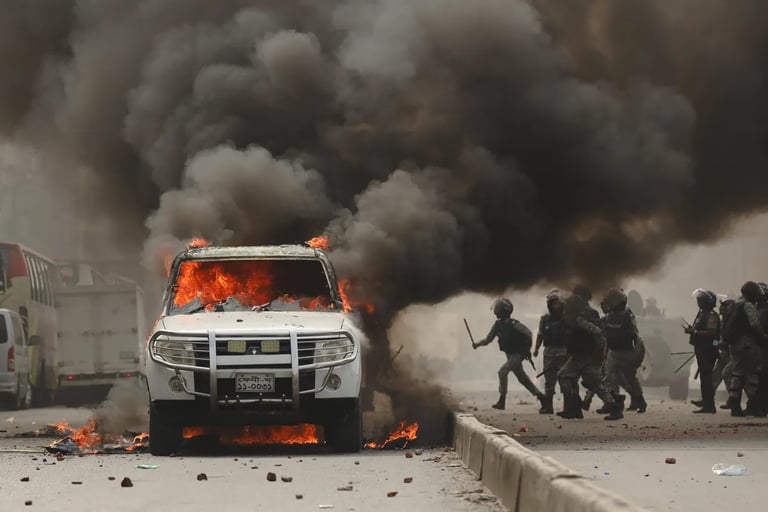


Garment workers in Bangladesh are protesting for a minimum monthly wage of 30,000 taka, up from 12,500, arguing that rising costs for rent, food and transport have made it difficult to cover basic expenses.
The unrest reflects long-running frustration over pay that has failed to keep pace with living costs, with protests reported in industrial hubs including Mirpur, Ashulia and Savar.
Joly Talukder of the Garment Workers Trade Union Centre said workers had borne the burden for years while factory owners and retailers benefited from low wages.
The government has formed a board to set a new wage package, but the move has not appeased protesters; the board’s recommendations are expected by the end of November, with revised pay scheduled to take effect on December 1.
The demonstrations have sparked recurring street clashes and production stoppages, with hundreds of factories closing and many remaining shut under labor laws’ “no work, no pay” provision.
Closures escalated over several days in mid-November, and thousands of protesters also blocked the Dhaka-Tangail highway for about an hour.
Factory owners and authorities have responded with closures, policing and other measures, including shutdowns in Savar and Ashulia under Section 13(1) of the Bangladesh Labour Act or through holiday declarations.
The disruption puts pressure on an industry that employs more than four million people and generates around 80% of Bangladesh’s merchandise export earnings; the sector was already contending with an energy crisis.
Bangladesh is the world’s second-largest apparel exporter, and the article says international brands rely on its low-cost labor while local manufacturers shoulder pressure from higher labor costs.
The article argues that global buyers could absorb higher wages and urges international brands to adopt fairer pricing and wage structures, warning that closures and security measures will not resolve workers’ underlying grievances.
It is too early to know whether the protests have affected orders, but prolonged stoppages, shipment delays and delivery uncertainty could lead global buyers to diversify sourcing.
Vietnam is one possible alternative, with an export-oriented manufacturing base, established brand relationships and preferential trade access through agreements including the CPTPP and the EU–Vietnam Free Trade Agreement.
Summary based on 4 sources
Get a daily email with more World News stories
Sources
SupplyChainBrain • Nov 16, 2026
Labor Strike Shuts Down Dozens of Bangladesh Garment Factories
Fibre2Fashion • Nov 18, 2026
Could Bangladesh's ongoing labour protest impact sourcing dynamics?
seMissourian • Nov 18, 2026
Police in Bangladesh clash with garment workers demanding higher minimum wages
Geosirius • Nov 17, 2026
Why Bangladesh Garment Workers Are Demanding A 30000 Taka Minimum Wage