Phthalates in Softgel Capsules: Health Risks and What Consumers Need to Know
June 13, 2025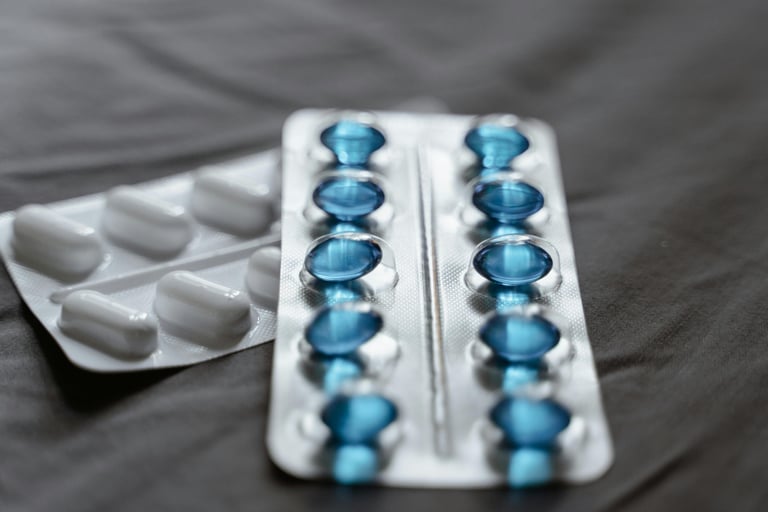

While phthalates in softgels may not be the largest source of overall exposure, they are significant for daily supplement users.
Although some phthalates are heavily regulated due to their potential health risks, over-the-counter supplements may not be as closely monitored, raising concerns about exposure.
Many over-the-counter supplements lack medical supervision, increasing the risk of exceeding safe phthalate levels, especially when combined with other environmental sources.
Health regulators, including the European Medicines Agency and the US Food and Drug Administration, have established guidelines for phthalate use in medicines, including daily intake limits and safety monitoring.
Research indicates that phthalates can disrupt hormone systems and are associated with health concerns such as birth defects, allergies in children, and heart disease.
Long-term exposure to phthalates may heighten the risk of conditions like insulin resistance, inflammation, and cardiovascular disease, particularly in vulnerable groups such as children and pregnant women.
Some phthalates, like diethyl phthalate (DEP), are approved for pharmaceutical use and considered safe when used properly, while others, such as dibutyl phthalate (DBP), face restrictions due to health risks.
Consumers are advised to check ingredient labels, consult pharmacists, and consider phthalate-free alternatives as awareness of these chemicals grows.
Phthalates are known endocrine disruptors that can interfere with hormone systems and are linked to reproductive development issues and fertility problems.
Phthalates, which are chemicals used to make capsules flexible, are linked to various health issues, including reproductive and developmental problems.
Softgel capsules are widely used for delivering medications and supplements, but they have raised concerns due to the presence of plasticizers, particularly phthalates.
Craig Russell, a pharmacy lecturer at Aston University, noted that phthalates comprise a large family of chemicals with varying properties and risks, and not all are used in softgel capsules.
Summary based on 2 sources